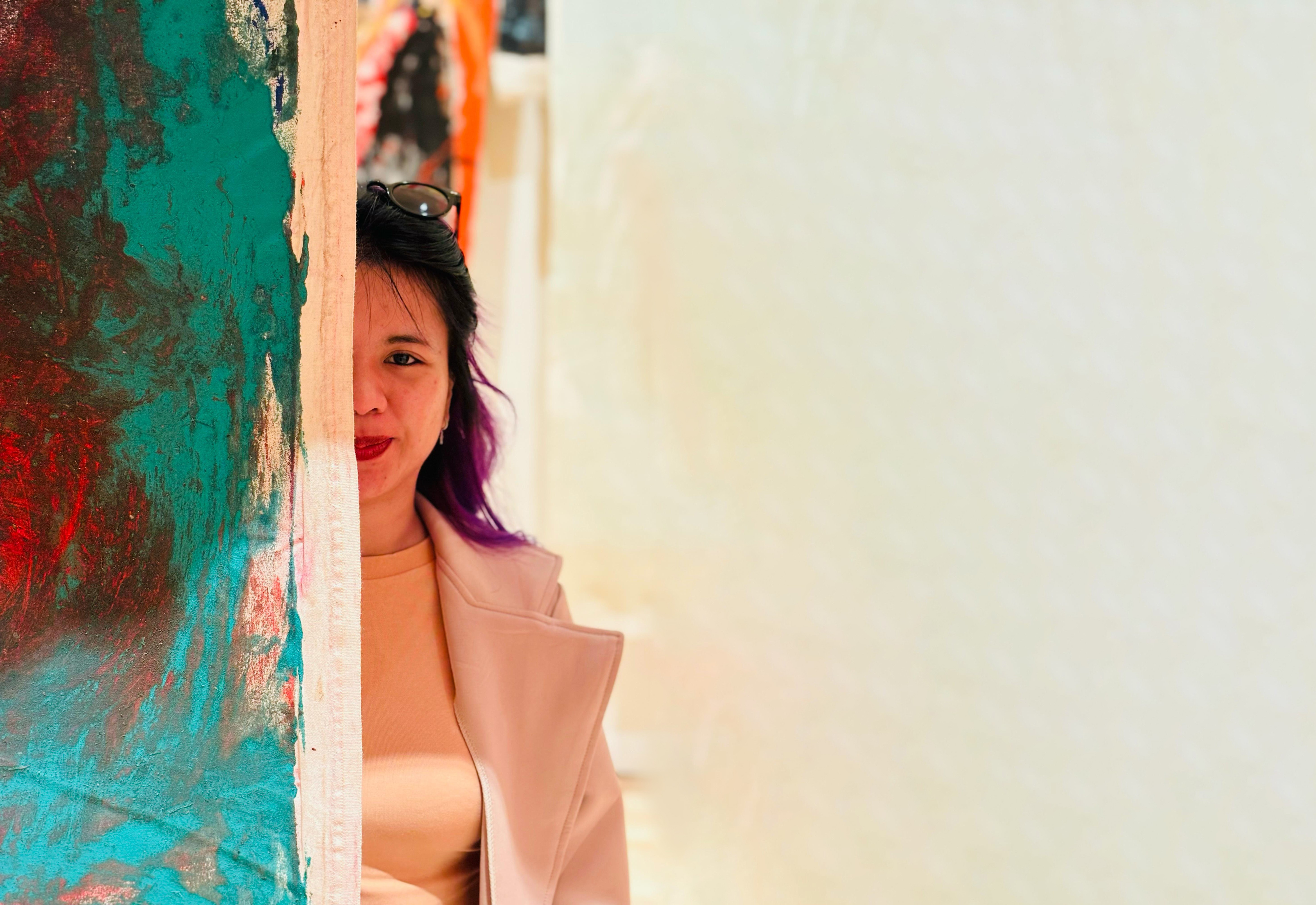
I craft digital experiences for startups and industry giants, shaping the future of Health Tech, Telecom, and Fintech.
I did not start my career thinking I would work in tech. For a while, I thought I would end up in advertising. My first role was in graphic design at DB&B in Singapore, where I worked across marketing collaterals, magazine publication, pitch decks, environmental graphics, and video production. One week I could be working on environmental graphics for Becton Dickinson Singapore, another on a pitch concept for Amazon Philippines, and another on post-production for completed spaces like Shopee Singapore, Distrii, or Bank Julius Baer.
It was fast-paced, corporate, and very hands-on. It taught me how to work with people across different teams, learn quickly, and make sense of many moving parts without getting overwhelmed. Looking back, that season shaped the way I still work today: understand what matters first, prioritize clearly, and adapt quickly.
My shift into product design happened gradually, then all at once.
During a break from my first job, I started asking myself what part of design actually fulfilled me. After exploring different directions, I realized I felt most drawn to design when it was used to solve problems. Not just to make something beautiful, but to make something clearer, easier, more useful, or more valuable for the people using it.
GoodHood became my first real product design role. It was a startup, which meant I had to wear many hats, learn fast, and figure things out as I went. I did not come from a long product design course or a perfectly structured transition. A lot of my growth came from saying yes to unfamiliar scopes, asking better questions, and learning by doing.
Since then, each chapter has shaped a different part of how I work.
GoodHood taught me to take on unfamiliar responsibilities and learn fast.
Seva sharpened how I think about business impact and conversion.
Prodia taught me leadership, ownership, and accountability beyond my own work.
Waymark taught me what it means to build, ship, market, measure, and keep improving from the ground up.

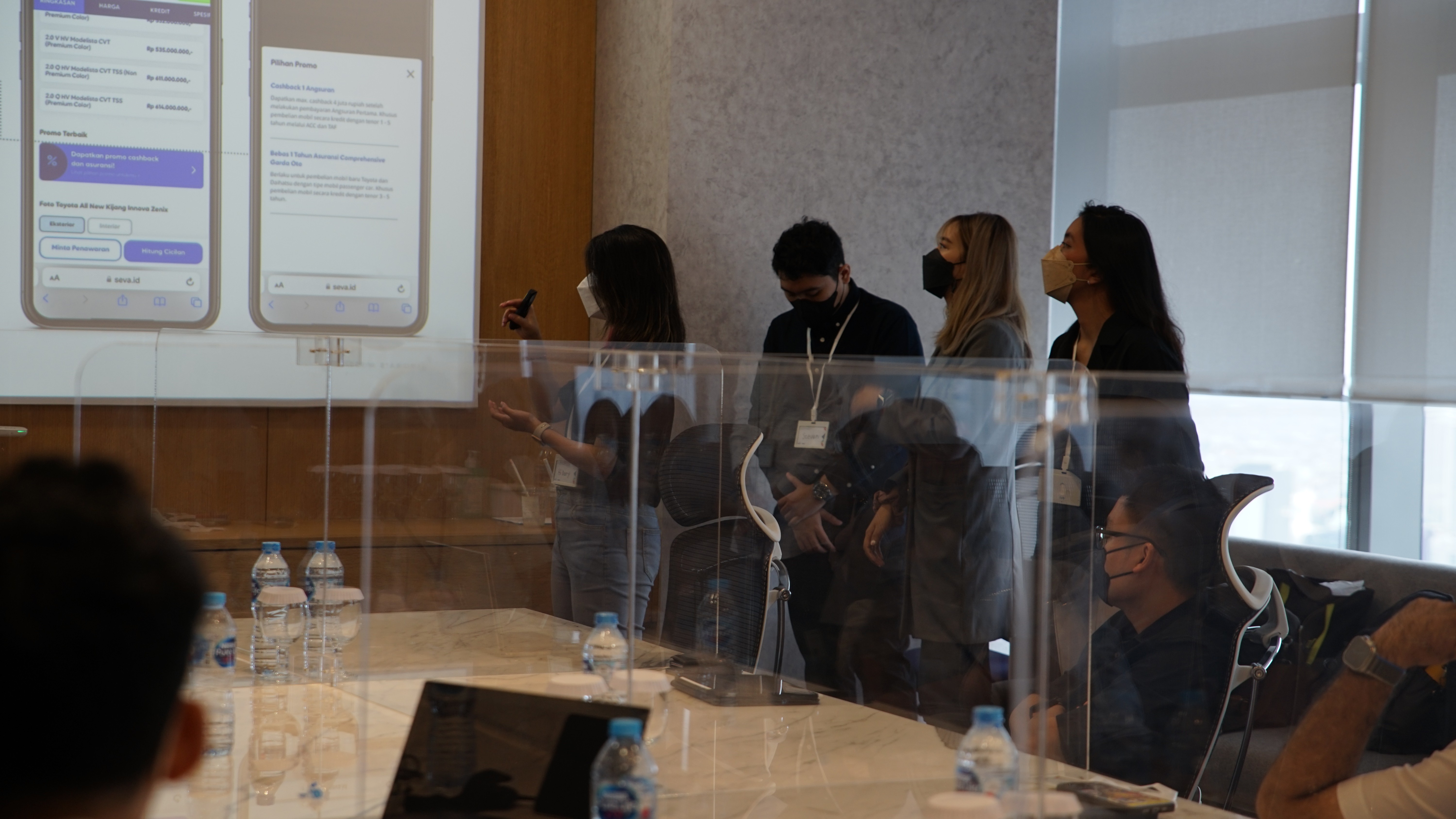
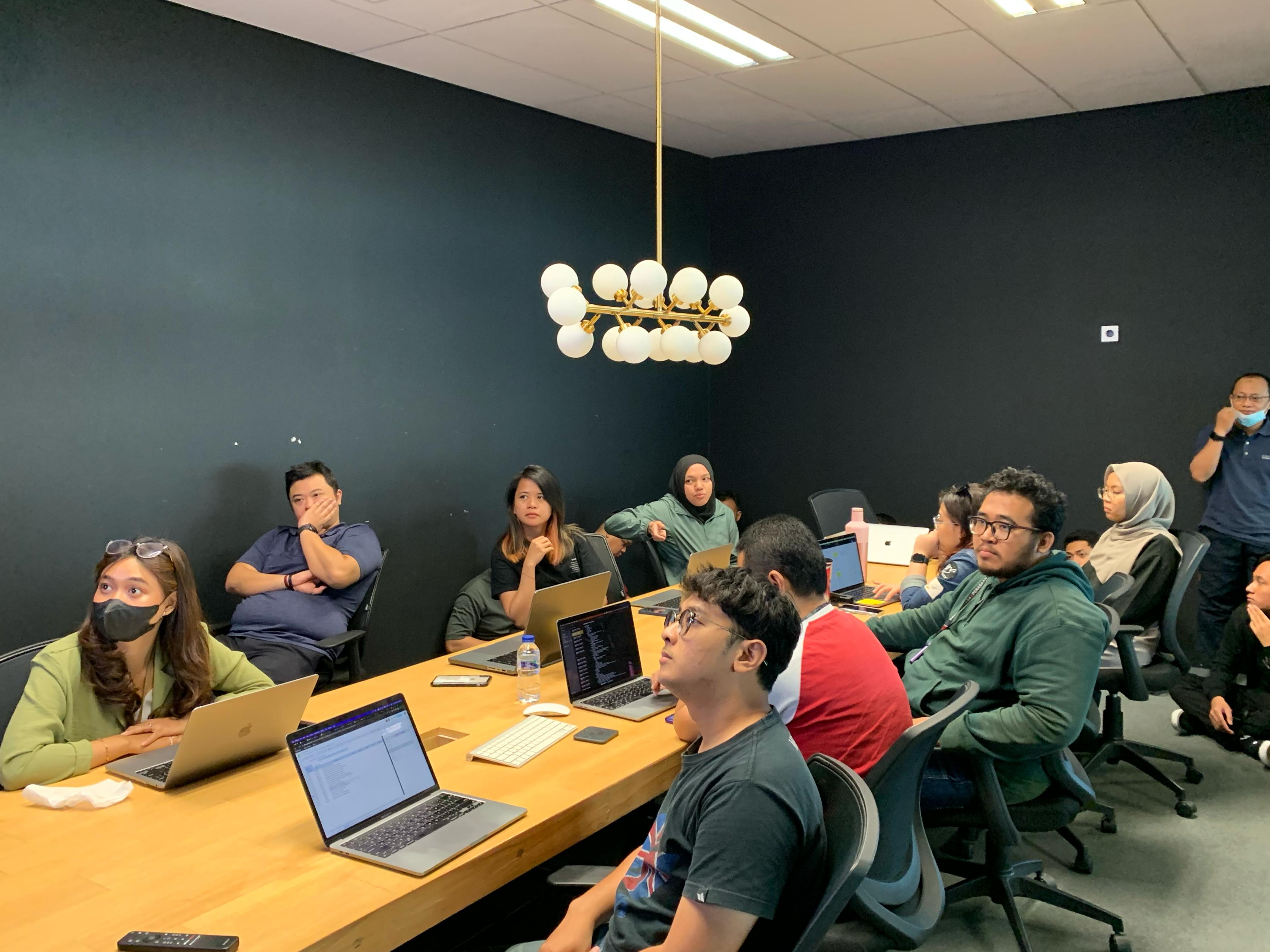
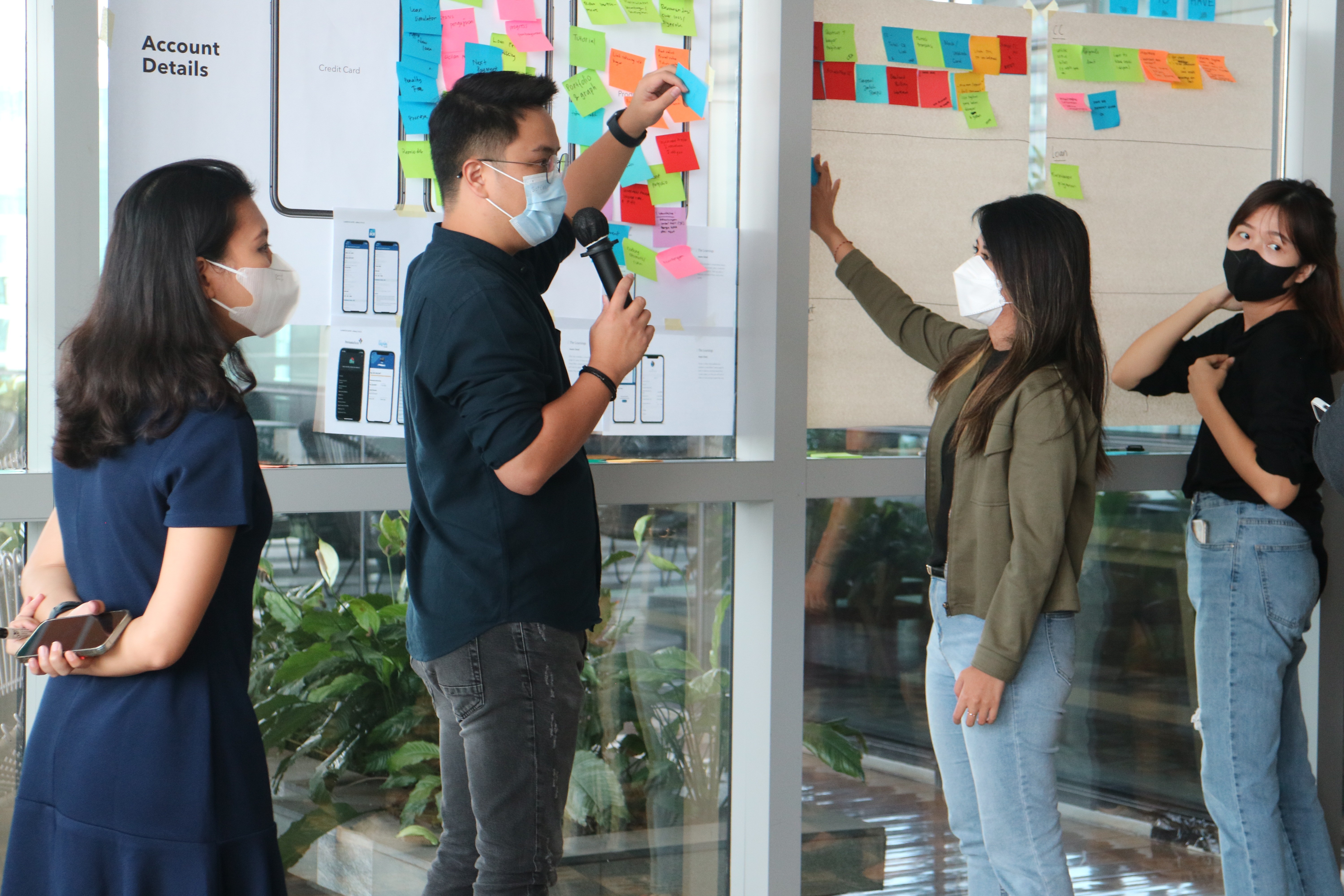
Building Waymark changed how I see product design. It reminded me that design is only one part of a product. Engineering matters. Data matters. Marketing matters. Timing matters. A polished product means very little if it does not reach the people it was made for.
It also pushed me to use AI more intentionally. Not just to experiment, but to extend how I think, build, and make decisions. I use AI to explore technical feasibility, structure product requirements, debug faster, analyze user behavior, refine messaging, and move from idea to testable product with more clarity.
Building something myself made me more empathetic toward the effort behind every decision. You quickly learn that shipping is never perfect. You plan the best foundation you can, release, study the data, and adapt.
That is the kind of designer I try to be: clear in thinking, accountable in execution, open to feedback, fluent in AI-assisted workflows, and willing to move through uncertainty instead of waiting for perfect conditions.
I care about clarity, conversion, impact, and experience. I like understanding what a problem means for the user, what it means for the business, and what it takes technically to make the solution real. Those things do not always align naturally, but I believe that is where good product design happens.
I do not want my work to feel predictable. Predictable is where the safe zone lives, and staying there for too long makes it harder to grow.
Outside of work, I am usually still making something.
I travel because it keeps me curious and forces me to navigate the unknown. I have lived across Malaysia, Singapore, Indonesia, and Vietnam, and each place has shaped how I see people, culture, and decision-making. I renovate and build things at home because it gets me away from the laptop and into a different kind of problem-solving. I workout because being in my 30s has made me value strength, health, and consistency more. And my dogs keep me grounded through both the good and difficult days.
A few phrases have stayed with me over the years: seek discomfort, focus on what you can control, and 学到老, which is the mindset of learning for life.
That is probably the simplest way to describe me.
I am someone who keeps learning, keeps adapting, and keeps looking for meaningful problems to solve.
9+ years across Southeast Asia, shaped by startups, corporate teams, healthtech, fintech, and self-built products.