
Role
UI/UX Designer
Team





Timeline
Dec 2022 - Mar 2023
Industry
Fintech / Automotive
Type
Responsive Web
This was a team engagement with a project lead above me and a dedicated research pair running user interviews and concept testing. My specific contribution covered four areas: UX audit and competitor analysis, workshop facilitation, the design of Concept A (the direction that was validated and became the foundation of the redesign), and UI design execution across the final deliverables.
The research gave us the foundation. The workshop gave us alignment. The design work was mine to execute.
The engagement started with a UX audit and competitor analysis to understand what was actually happening on the platform and how SEVA compared to alternatives in the market.
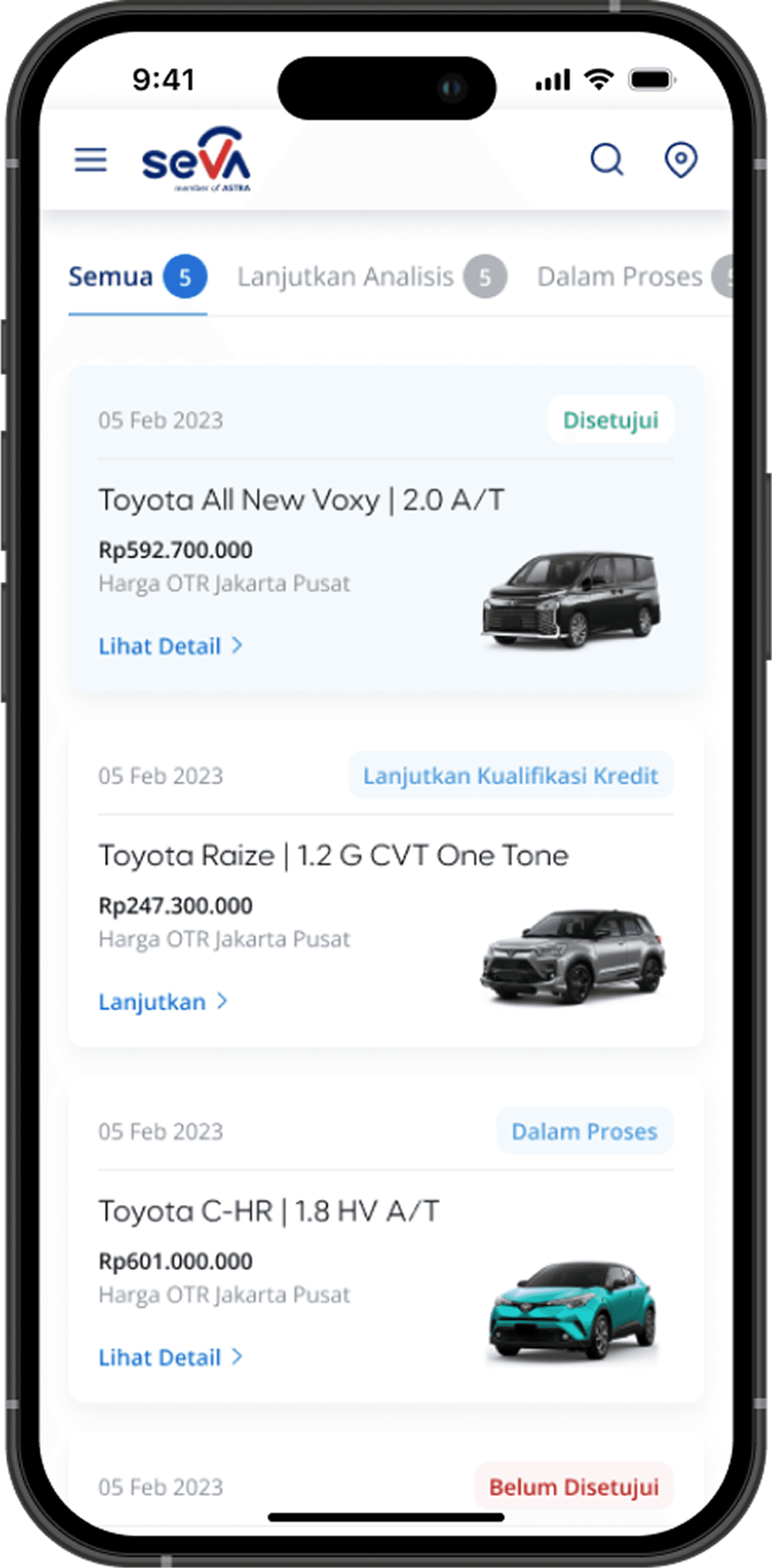
Click heatmaps revealed that users engaged most heavily with content above the fold and dropped off sharply as they scrolled — a signal that content prioritisation was working against the experience rather than for it. The search flow had too many steps. Financing language was abstract and jargon-heavy. And the Instant Approval feature — one of SEVA's genuine competitive advantages, offering fast financing decisions — was buried deep enough in the flow that most users never encountered it.
The problem was not that users did not want financing help. It was that the platform introduced financing in a way that felt like a gate rather than a support.
The Workshop
Before moving into design, I facilitated a cross-functional workshop with design, marketing, and product teams to align on root causes and priorities. That alignment mattered because the changes needed were structural, not cosmetic. Redesigning the search experience and repositioning the Instant Approval feature required buy-in across functions before a single wireframe was drawn.
The workshop produced three agreed priorities: a new information architecture to simplify navigation, a revamped presentation of Instant Approval that made its value visible earlier in the journey, and a design philosophy shift — let users browse first, and introduce financing as a tool that enhances discovery rather than a prerequisite that precedes it.
The Personas
SEVA had previously grouped users by broad socio-economic factors. Working with the research team's findings, we refined these into three sharper personas built around decision readiness and purchase intent rather than demographics alone.
The Rookie Dreamer is planning to buy within two years, currently saving for a down payment, and in early research mode. The Deal Seeker needs to upgrade for a growing family, is actively comparing options, and is responsive to discounts and flexible financing. The Intentional Buyer has already chosen a brand, has the down payment ready, and is now optimising for interest rate and loan terms.
These three personas framed every subsequent design decision. A feature or layout that works for the Intentional Buyer may overwhelm the Rookie Dreamer. A homepage that serves the Deal Seeker may not give the Intentional Buyer the directness they need. Designing for decision stage rather than demographic made the experience more precise without making it more complicated.
Two Concepts, One Clear Direction
The team developed two design concepts for testing.
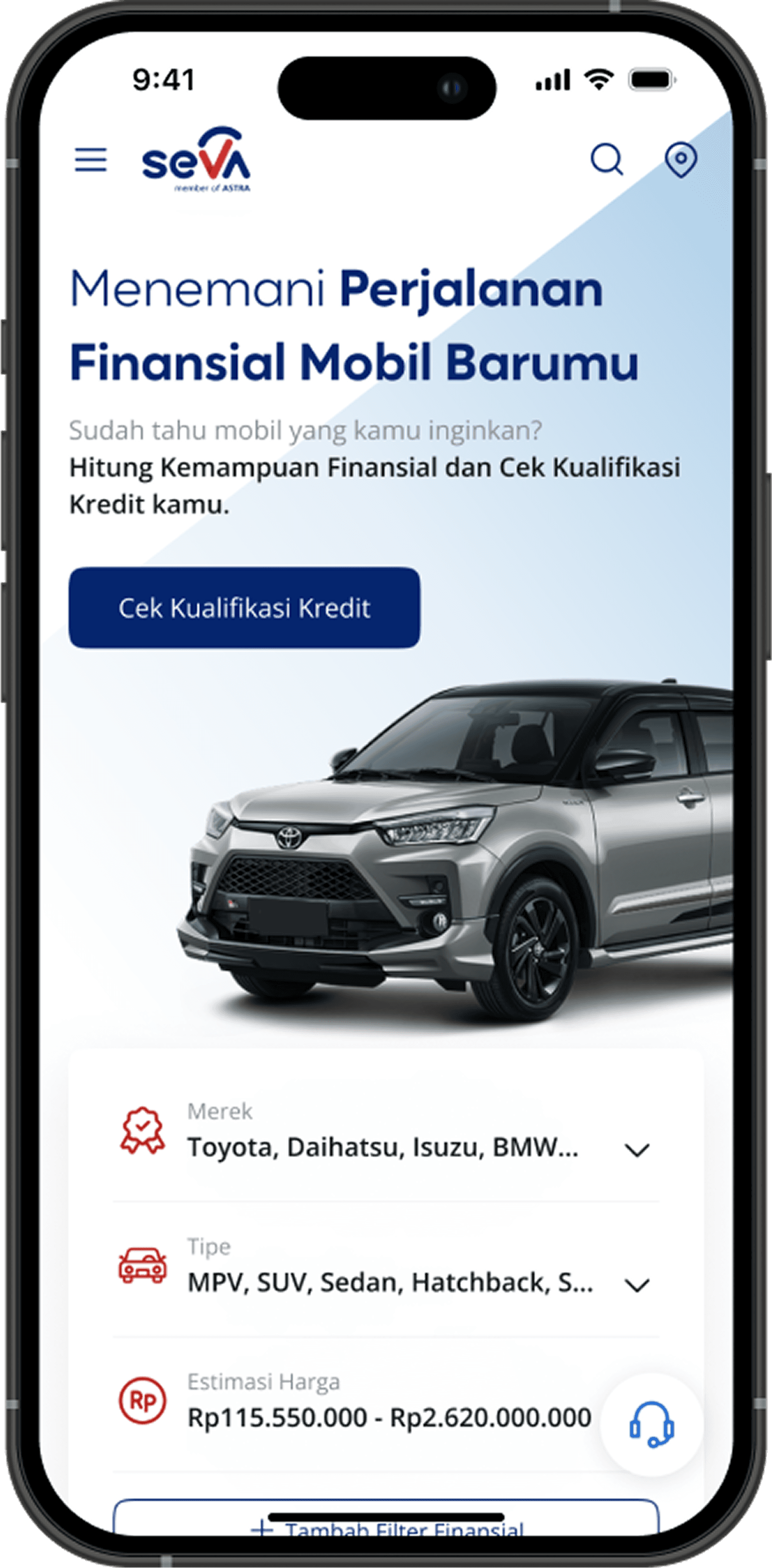
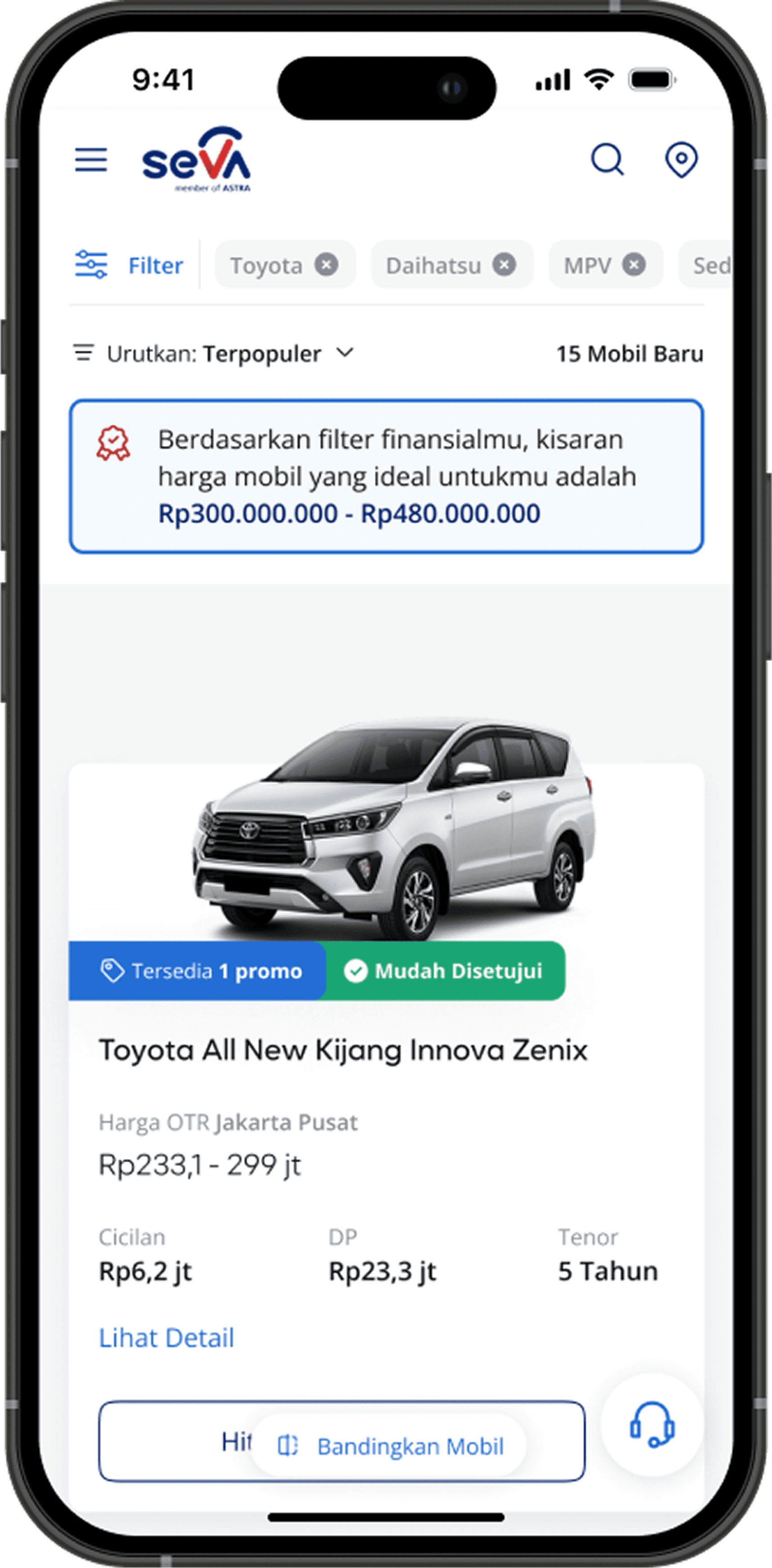
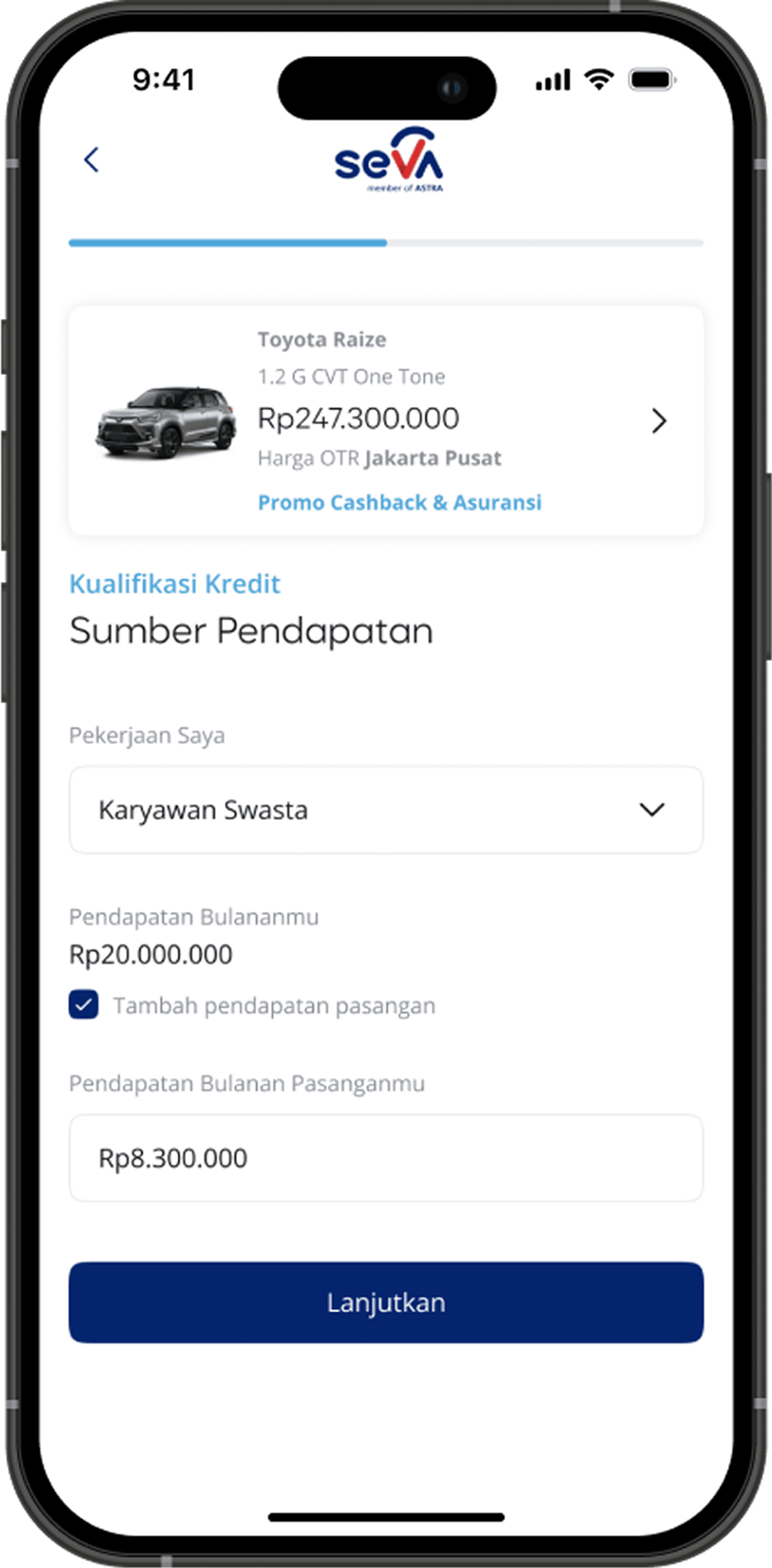
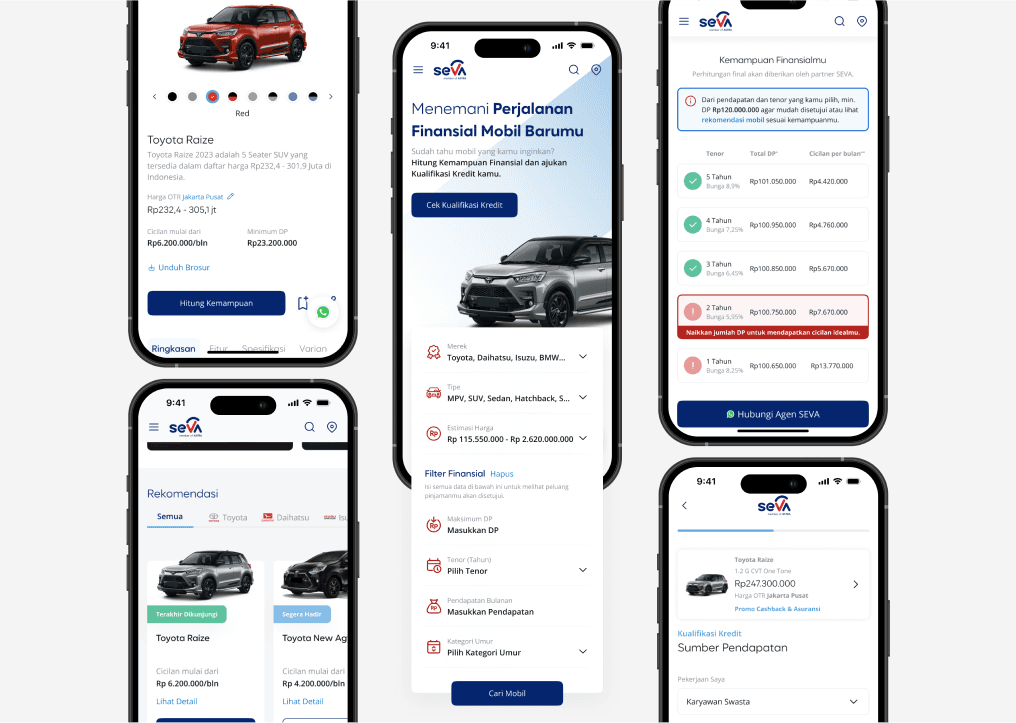
Concept A redesigned the search experience as the front door of the platform. Users could browse by car type and apply filters progressively — including financial criteria like income range, loan tenor, and down payment — but financing was optional and contextual rather than mandatory and upfront. The system guided users toward financially viable choices without forcing them to engage with financing before they were ready.
Concept B centred on hyper-personalised recommendations based on past interactions and inferred financing preferences. It promised a tailored experience but introduced complexity: separate entry points, whole-page transitions mid-flow, and reduced transparency about why certain cars were being shown. In testing, users found it harder to trust.
The feedback from in-depth interviews was consistent. Concept A felt like being in control with smart support available. Concept B felt like the system was making decisions on their behalf without explaining itself. For a high-stakes, high-consideration purchase like a car, that distinction was decisive.
Concept A became the foundation of the redesign.
The Design
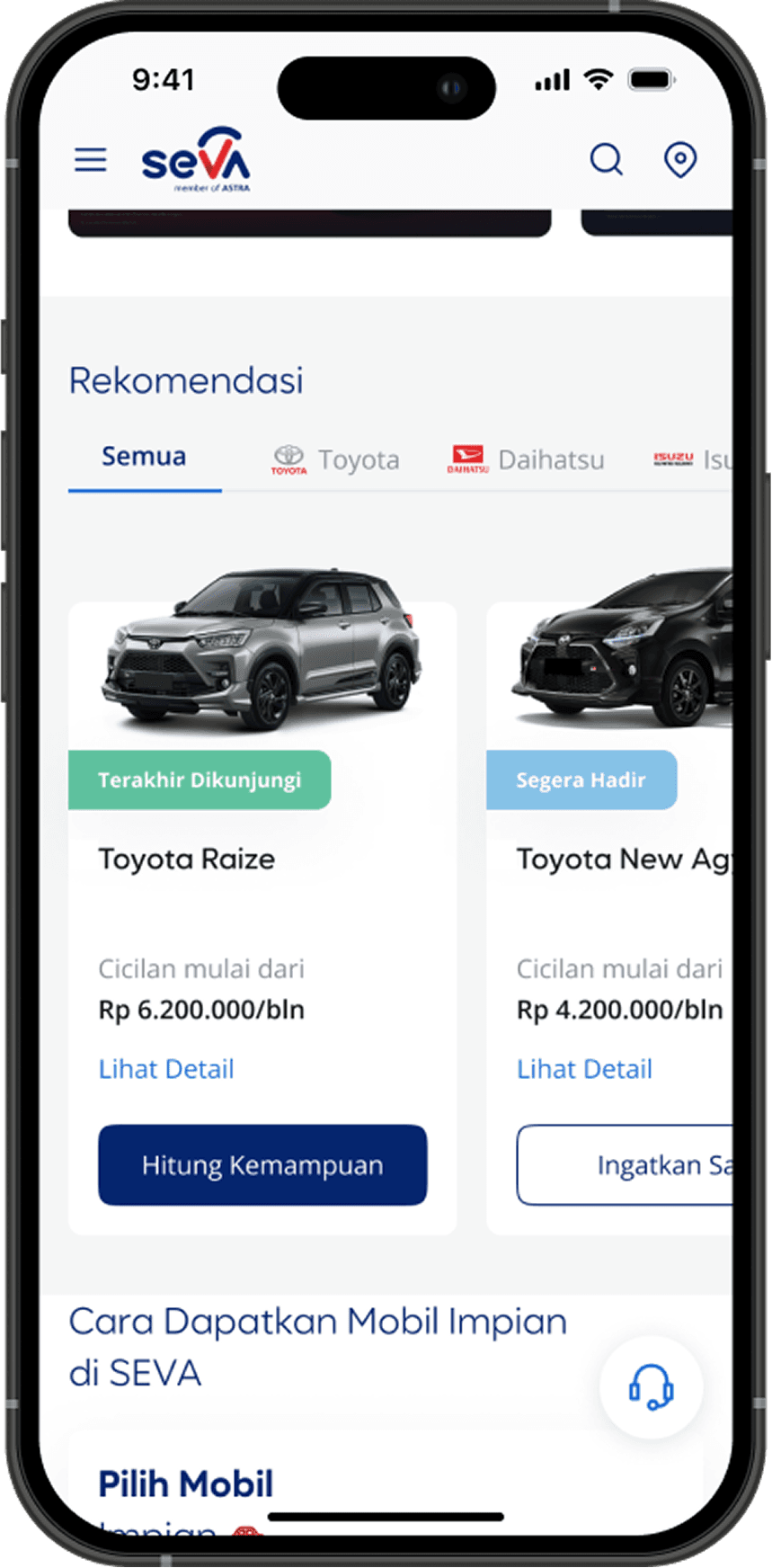
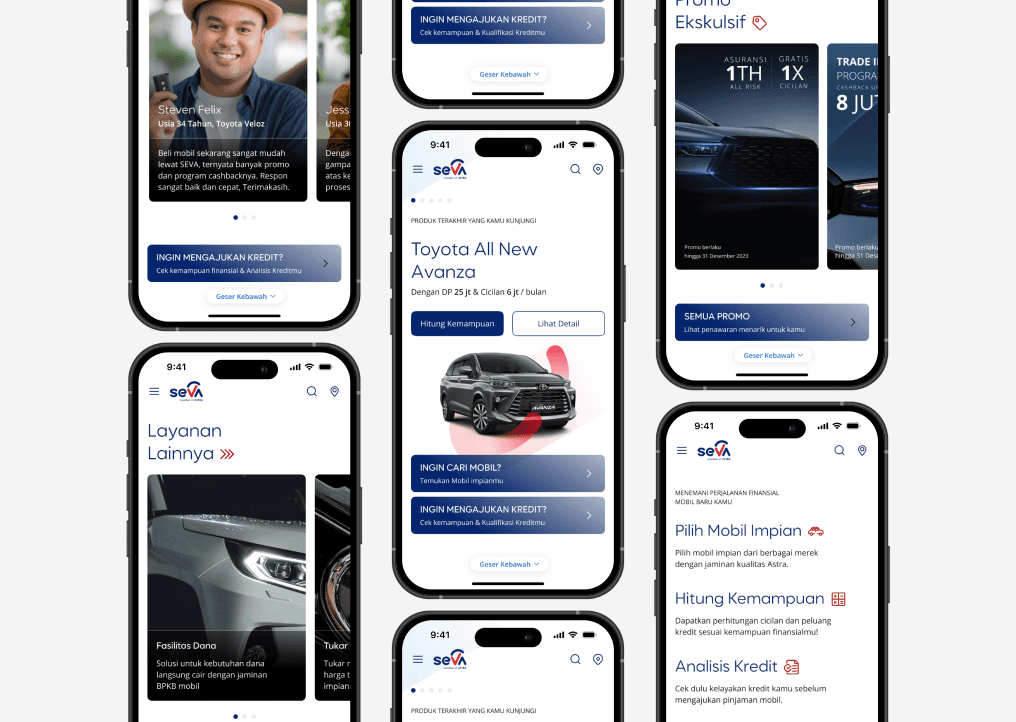
The redesigned experience introduced a cleaner search architecture that let users start with what they knew — car type, size, price range — and progressively encountered financing as an enhancement to their search rather than a precondition for it. The Instant Approval feature was surfaced earlier and framed clearly: not as a financing requirement but as a tool that could tell users quickly what they were eligible for, letting them browse with confidence rather than uncertainty.
The visual language balanced trust and accessibility. Neutral tones grounded the interface in credibility appropriate to a financial product. Card-based listings made cars feel browseable and personal rather than clinical. The typography and spacing were chosen to reduce cognitive load on a page where users were already processing a significant financial decision.
The Outcome
The 1700% increase in lead conversions was reported by the design director after the redesign had been developed, implemented, and tracked with event tracking — a process that took several months beyond the design engagement itself. I received that figure after the project concluded, which is standard for agency work where implementation follows design handoff.
The number reflects what happens when a product stops asking users to adopt a new mental model and instead meets them where their decision process already lives. The users were never opposed to financing support. They were opposed to being asked to engage with it before they had found a car worth financing.
What This Project Taught Me
The SEVA project sharpened how I think about the relationship between business model and user mental model. SEVA's finance-first approach was not wrong as a business strategy — encouraging users to understand their budget before browsing is genuinely sound advice. The problem was that the platform tried to impose that mental model on users who had not yet chosen to adopt it.
Good UX does not ask users to change how they think. It works with how they already think, and creates structures that gently move them toward better decisions. On SEVA, that meant letting users browse freely while making financial reality visible alongside their choices rather than ahead of them.
The two-concept testing process also reinforced something worth holding onto. The most sophisticated-sounding solution — hyper-personalised recommendations — lost to the simpler one, because simplicity in a high-stakes, high-consideration context is not a compromise. It is the right answer. Users navigating a major financial decision do not want a system that seems clever. They want a system they can trust.