Role
UI/UX Project Lead
Team

Timeline
Industry
Health Tech
Type
iOS, Android, Web
Designing for chronic care meant solving for something harder than functionality. It meant solving for behaviour, awareness, and trust — across users at very different points in their relationship with their own health.
Some users did not know they were at risk. Others had received a diagnosis but were not yet managing it consistently. Others were living with a condition and needed ongoing tools to stay stable. A single CDM experience could not serve all three groups without either overwhelming the first, patronising the second, or undersupporting the third.
At the same time, the product and engineering team needed certainty before committing to full infrastructure. Chronic disease management is a complex, resource-intensive feature to build properly. The question was not just "how should this work?" but "is there enough user interest to justify building it fully?"
That question shaped the entire approach.
My Role
Alya and I worked collaboratively throughout both phases. I made the final design calls, led the strategic framing of the feature, defined the two-phase MVP approach, ran the stakeholder workshops that aligned product and engineering on scope, and managed the cross-functional relationship between design and the eight-person engineering team. Alya contributed to the UI design work across both phases, and the visual quality of the feature reflects that collaboration.
The stakeholder workshops were a particular focus. With a feature this technically and clinically complex, early alignment on scope and priorities was the difference between a clean delivery and a project that kept expanding. Getting product, engineering, and the client to agree on what the MVP was and was not — before a single screen went into high fidelity — saved significant rework downstream.
MVP Before System
The decision to start with an MVP was deliberate and strategic, not just a timeline constraint. Before investing in the full infrastructure required for health metric monitoring, medication tracking, and doctor data sharing, the team needed to validate whether users would engage with CDM content at all.
The MVP was scoped to education only. No monitoring. No logging. No clinical integrations. Just clear, personalised information delivered to users at different stages of risk — designed to test whether the concept resonated before the engineering cost was committed.
This was the right call for three reasons. It kept the first release lightweight enough to pivot if interest was low. It gave the team real signal — actual user behaviour with the educational content — rather than assumptions. And it meant that when interest was confirmed and Ultimate 1 was approved, the design direction was grounded in evidence rather than hypothesis.
Phase One: The MVP
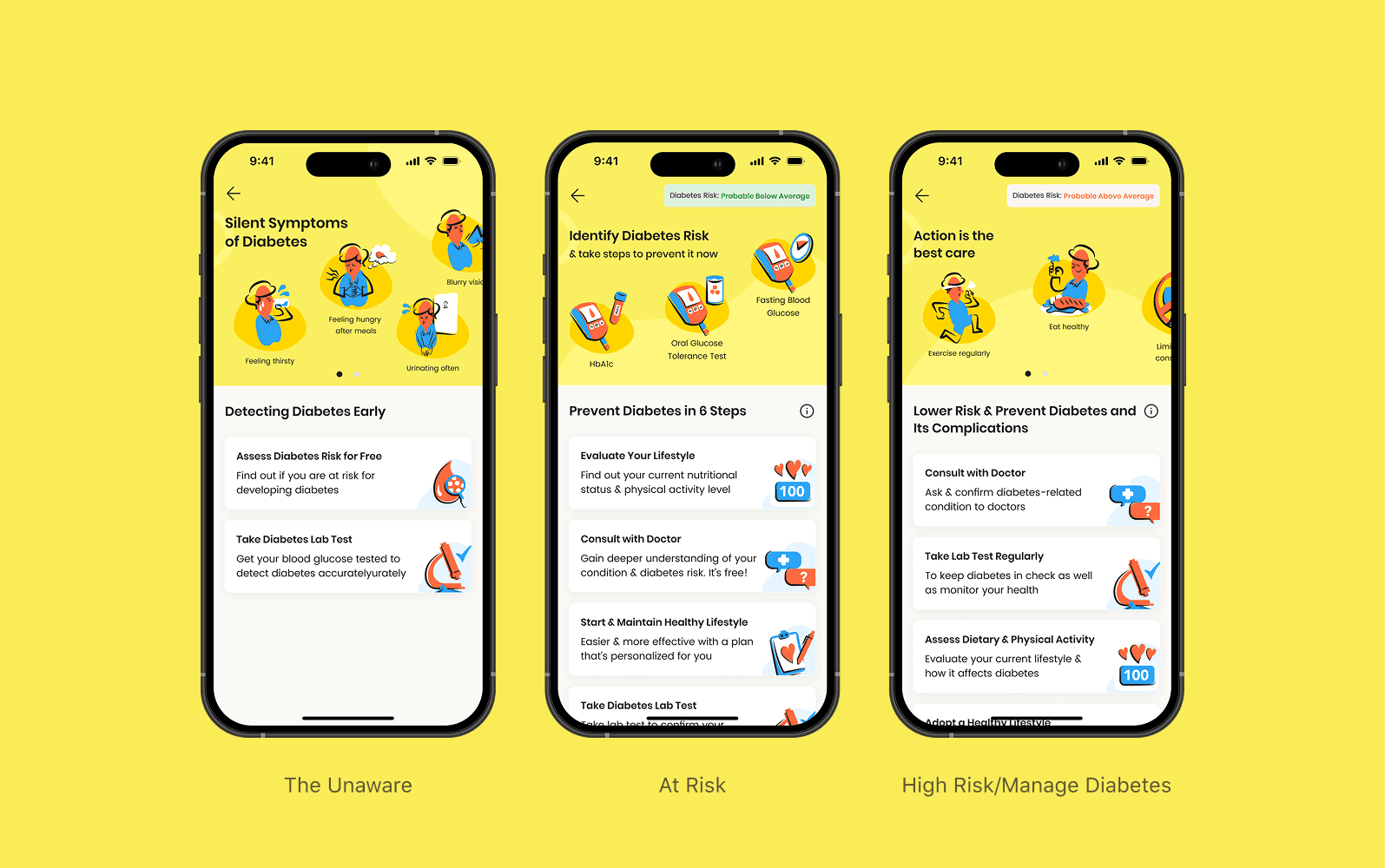
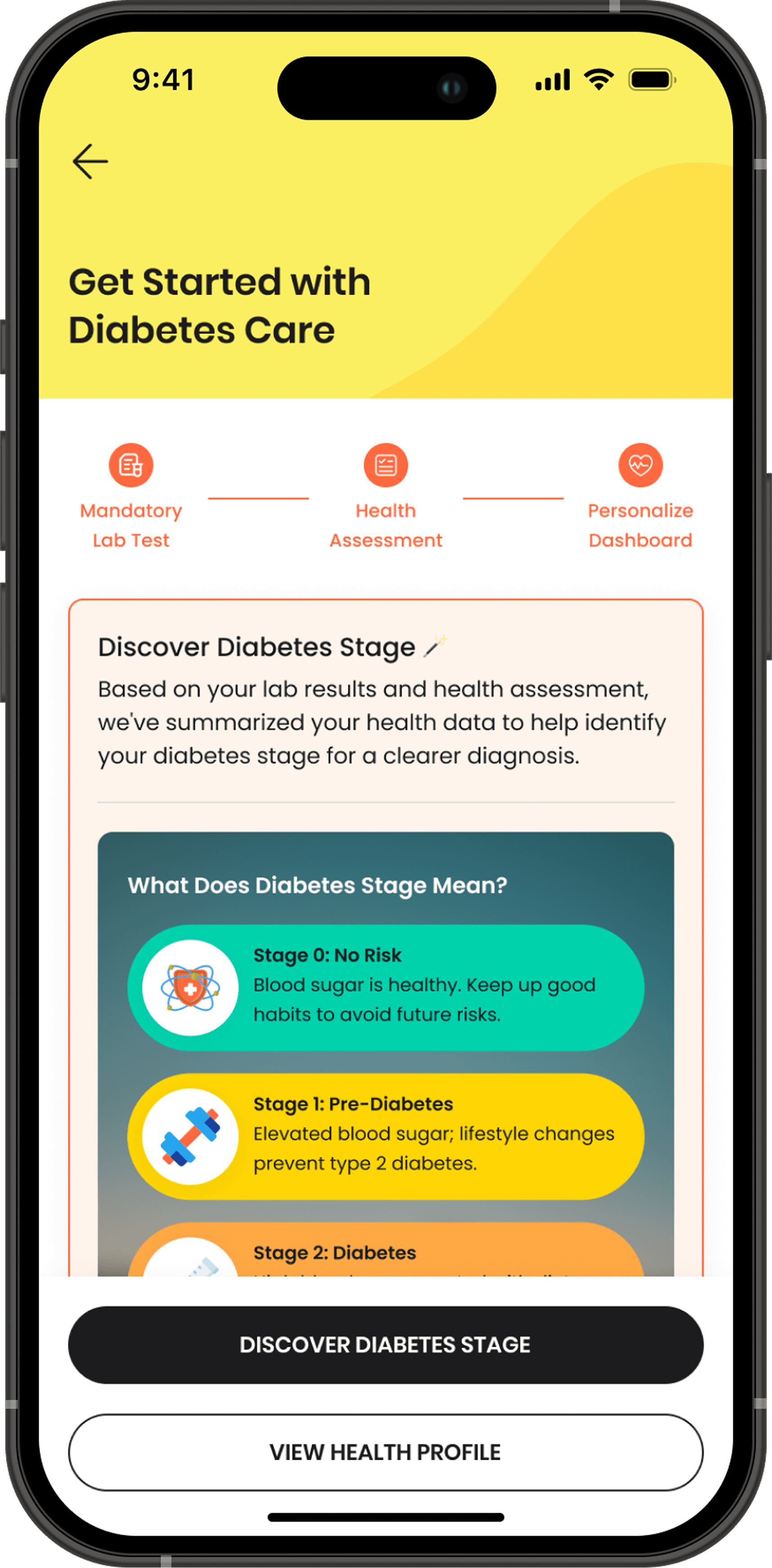
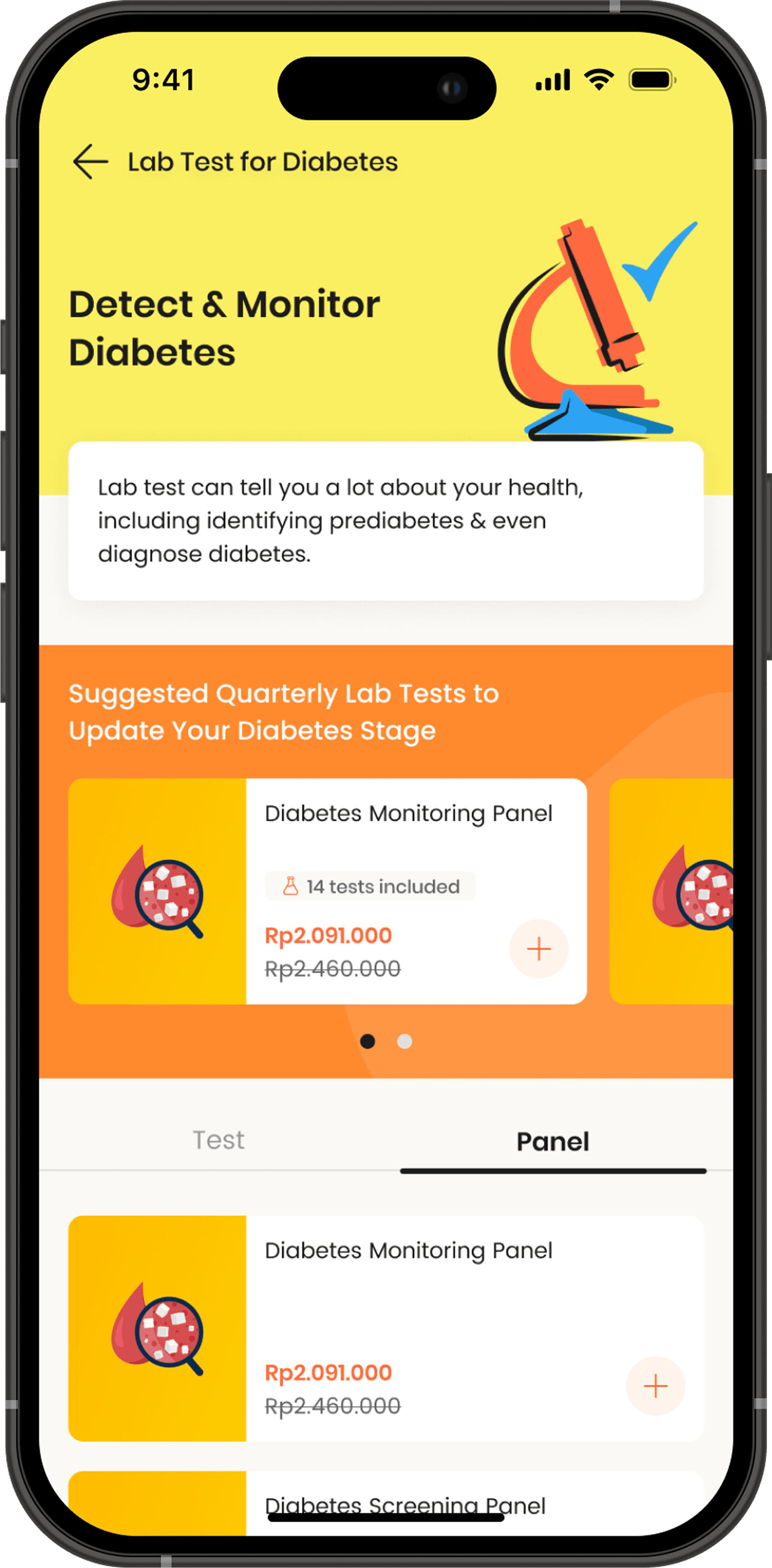
The MVP focused on diabetes first — Indonesia's most prevalent chronic condition, affecting 10.8% of the adult population and climbing. Rather than a generic educational experience, the content was personalised based on each user's existing Healthscore — a risk assessment feature already embedded in U by Prodia — segmenting users into three distinct groups.
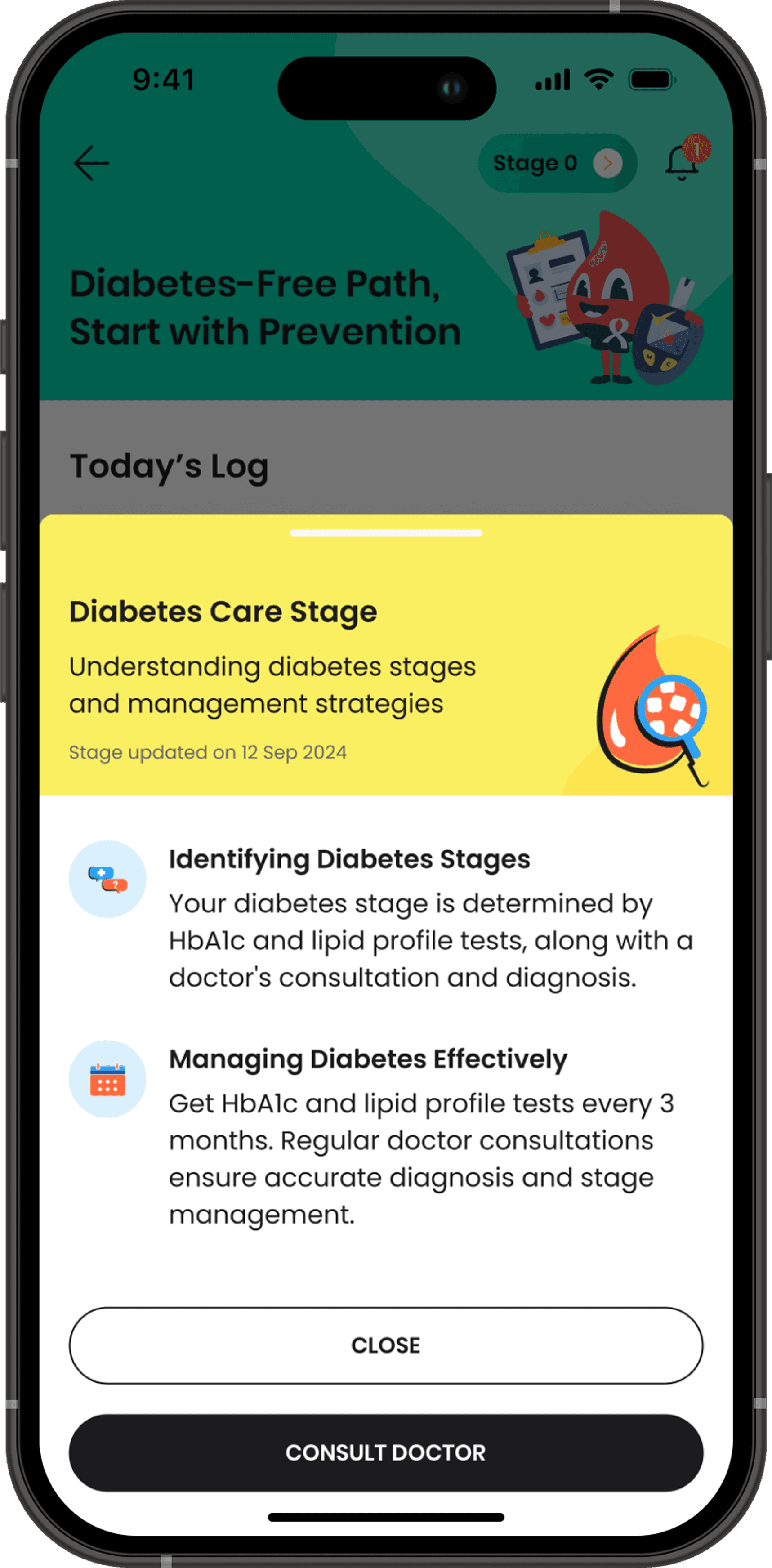
Users who had not yet taken the Healthscore were introduced to general diabetes information and nudged to complete the assessment to understand their personal risk level. Users with a below-average or probable below-average score received more urgent education about risk factors and early interventions, framed carefully to inform without alarming. Users with average to above-average scores, or those already diagnosed with diabetes, received personalised tools, lifestyle guidance, and ongoing support calibrated to their current stage.
The visual and tonal approach across all three groups was consistent: calm, clear, and non-judgmental. Healthcare content that feels clinical or alarming pushes users away. Content that feels supportive and actionable keeps them engaged. Every screen was tested against that standard.
Phase Two: Ultimate 1
The MVP generated enough signal to confirm user interest. Ultimate 1 was approved, and the scope expanded significantly.
In designing Ultimate 1, the team ran a survey targeting both diabetic patients at Prodia clinics and non-patients — gathering input on current health routines, desired features, and preferred engagement patterns. Those insights, combined with ongoing conversations with doctors and specialists, surfaced the insight that anchored the whole phase: diabetes is rarely a standalone condition. It is the starting point that leads to hypertension, kidney disease, and cardiovascular complications if left unmanaged. Designing a system anchored in diabetes was not a content choice. It was a product strategy choice — one that created a scalable model applicable to future chronic conditions with similar user challenges.
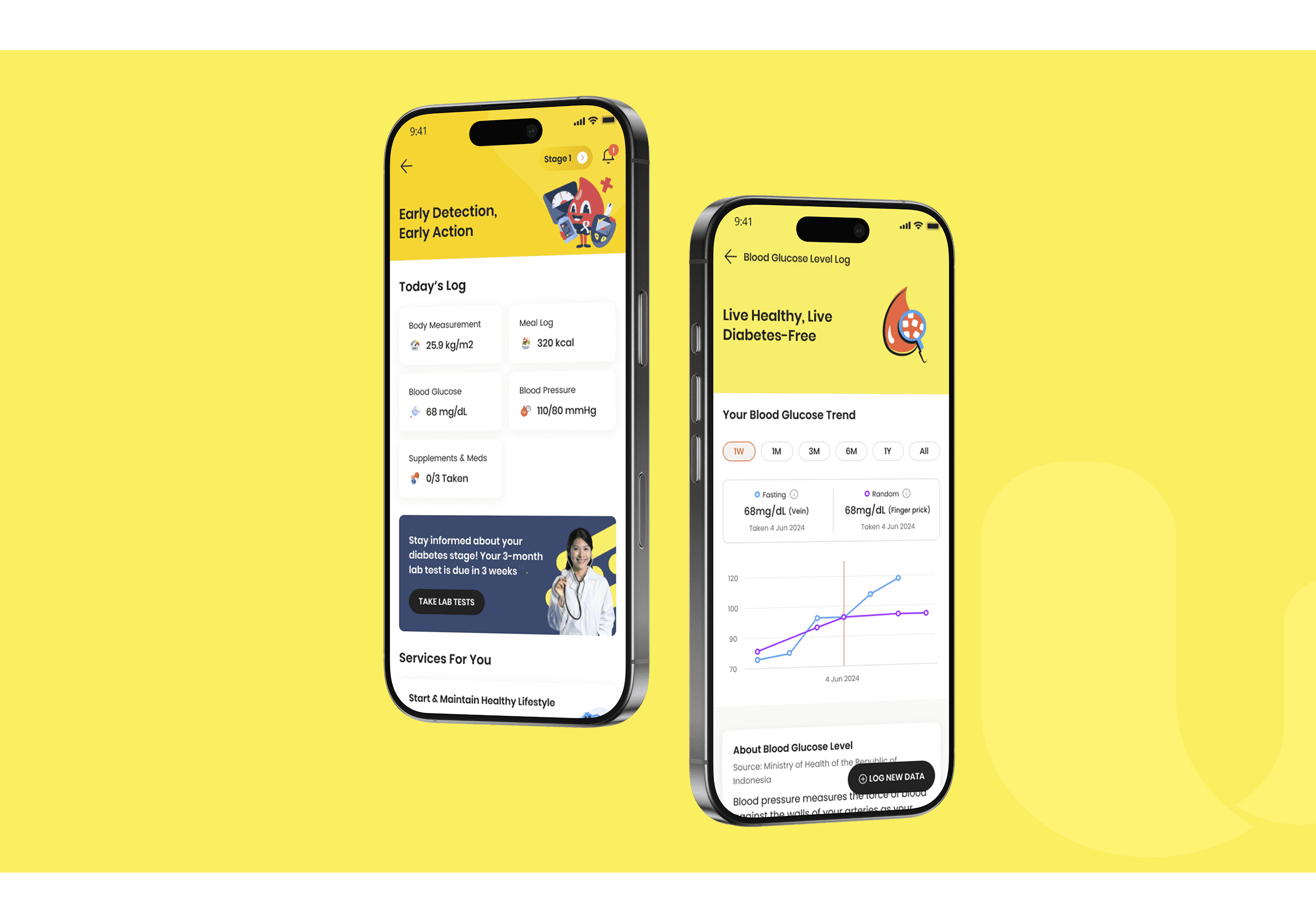
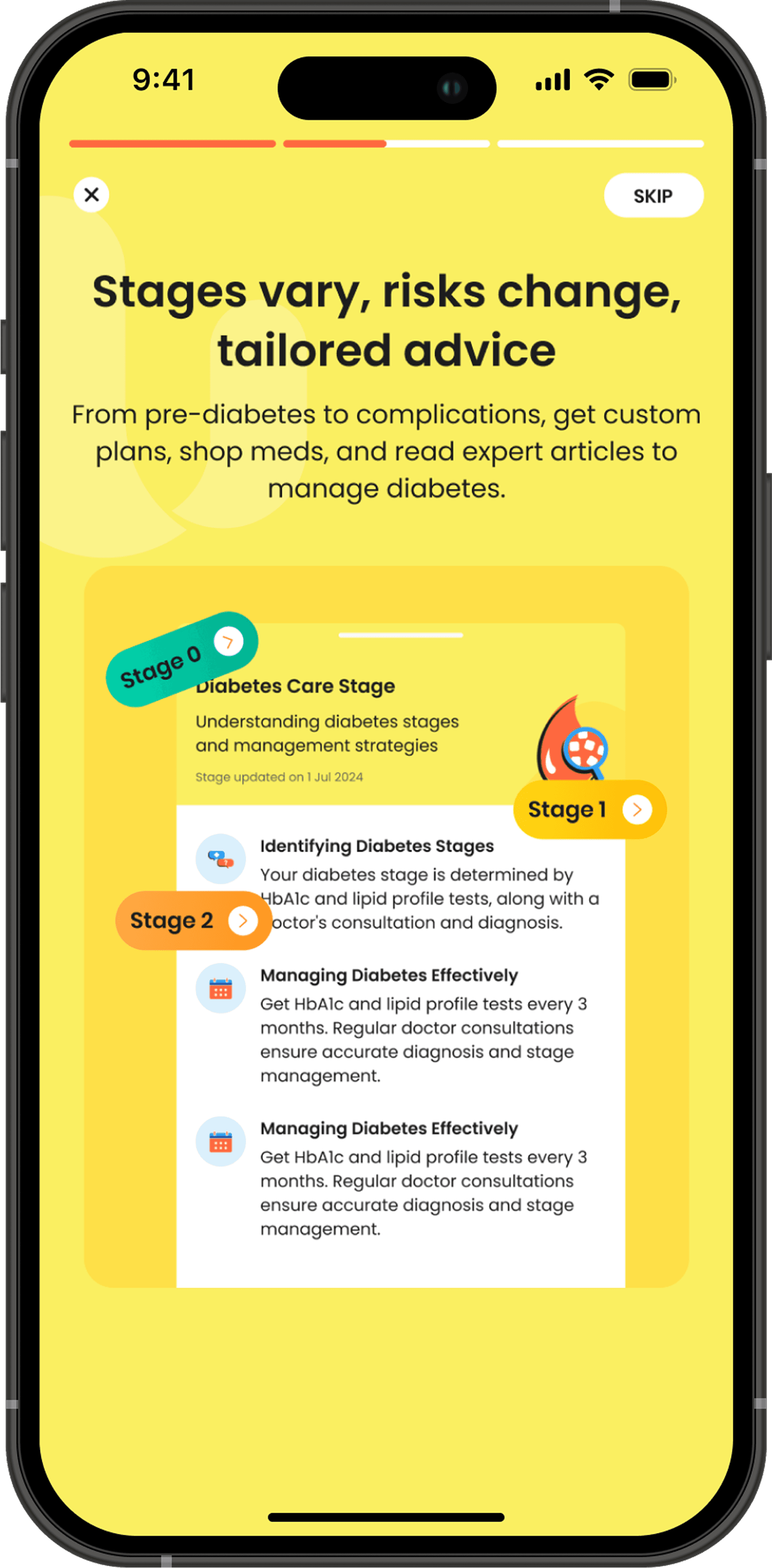
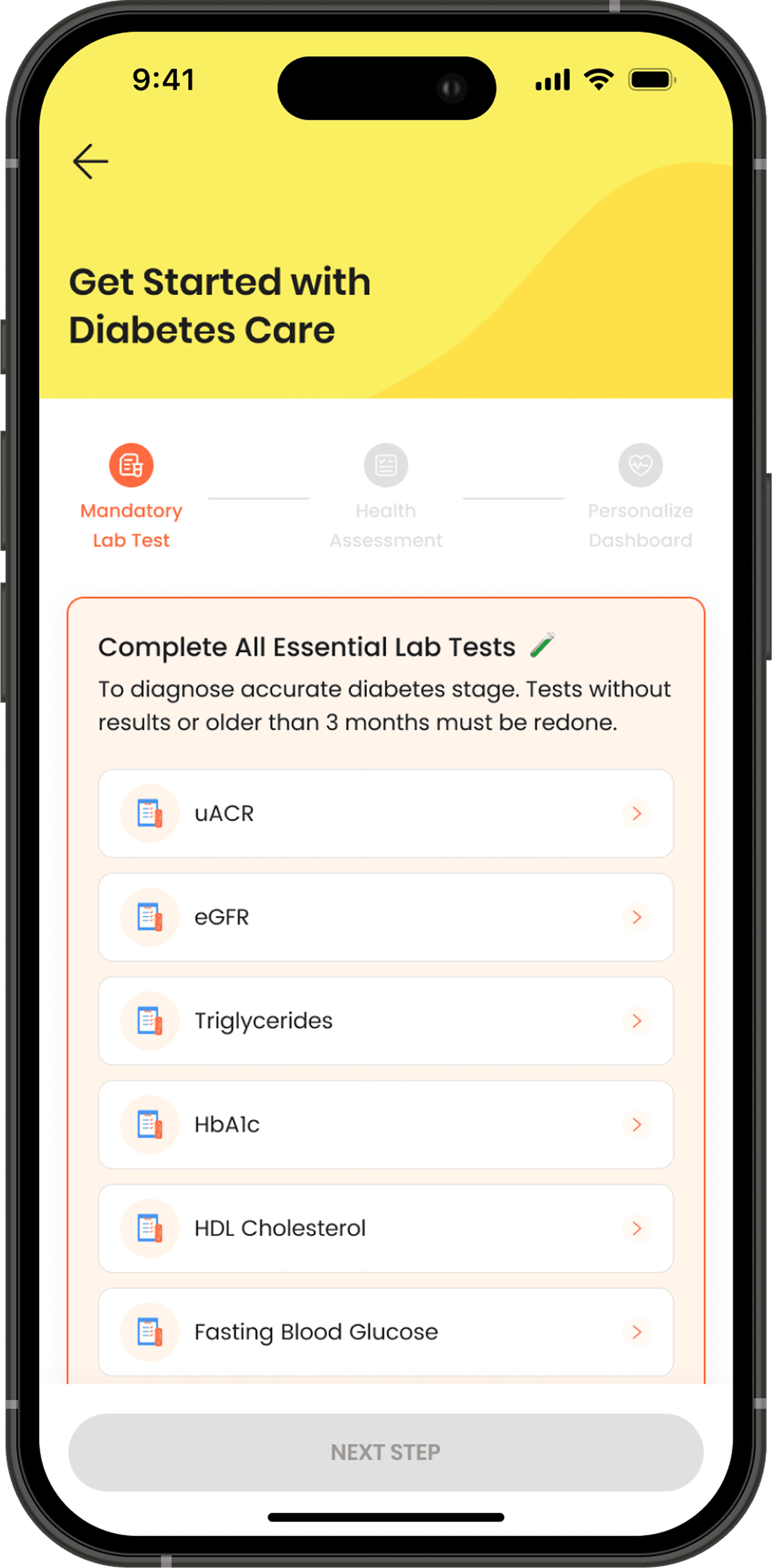
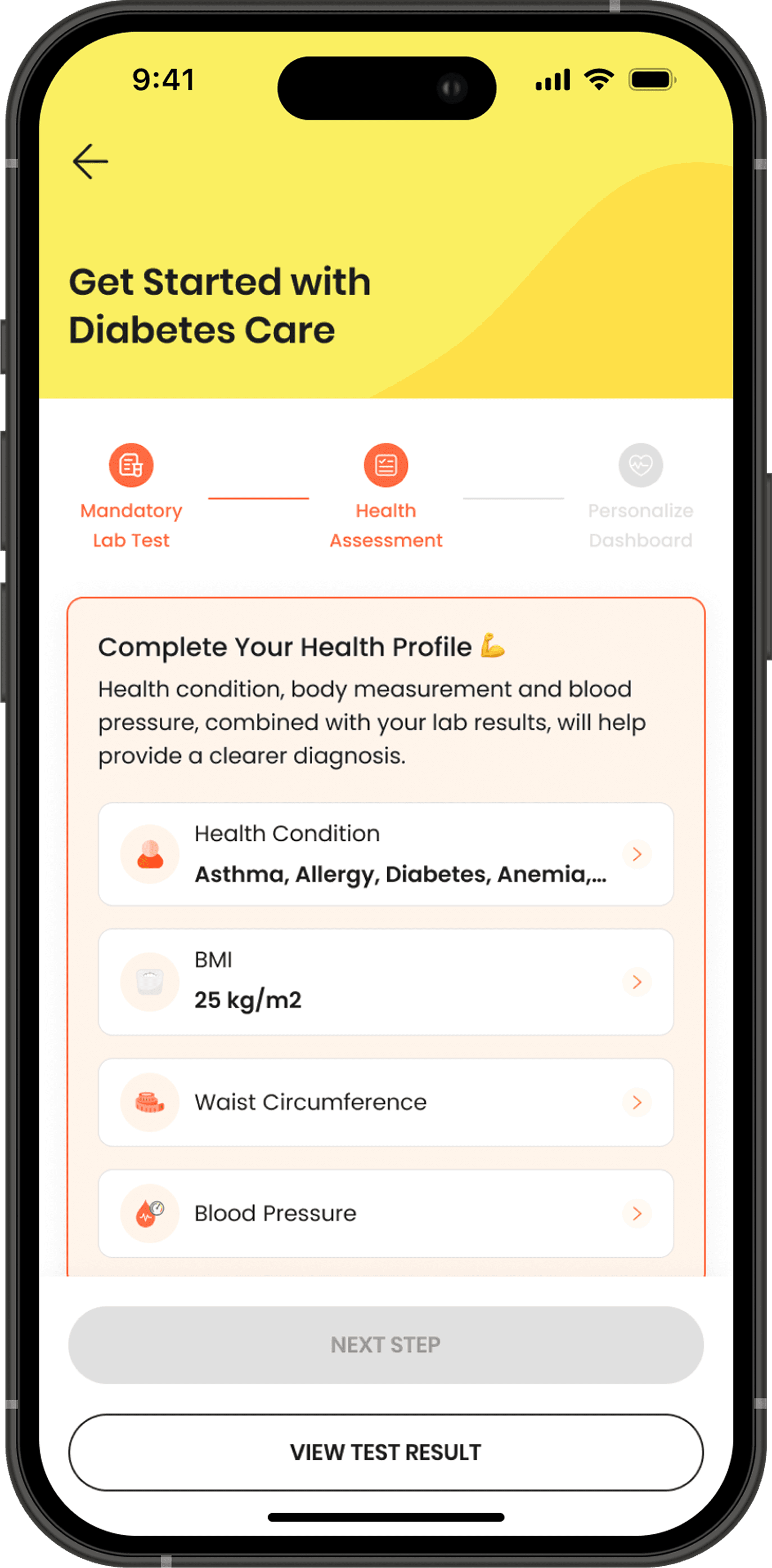
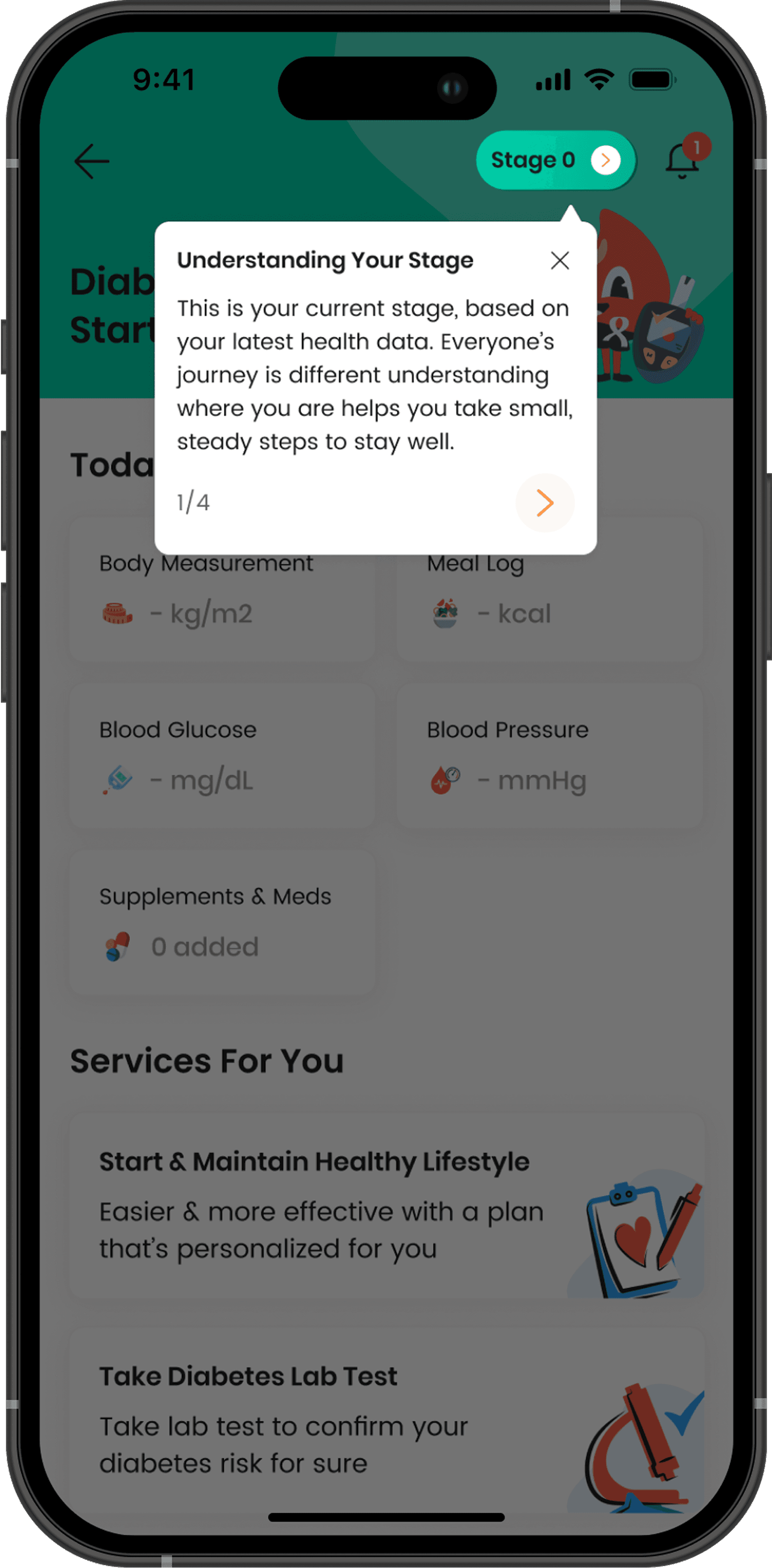
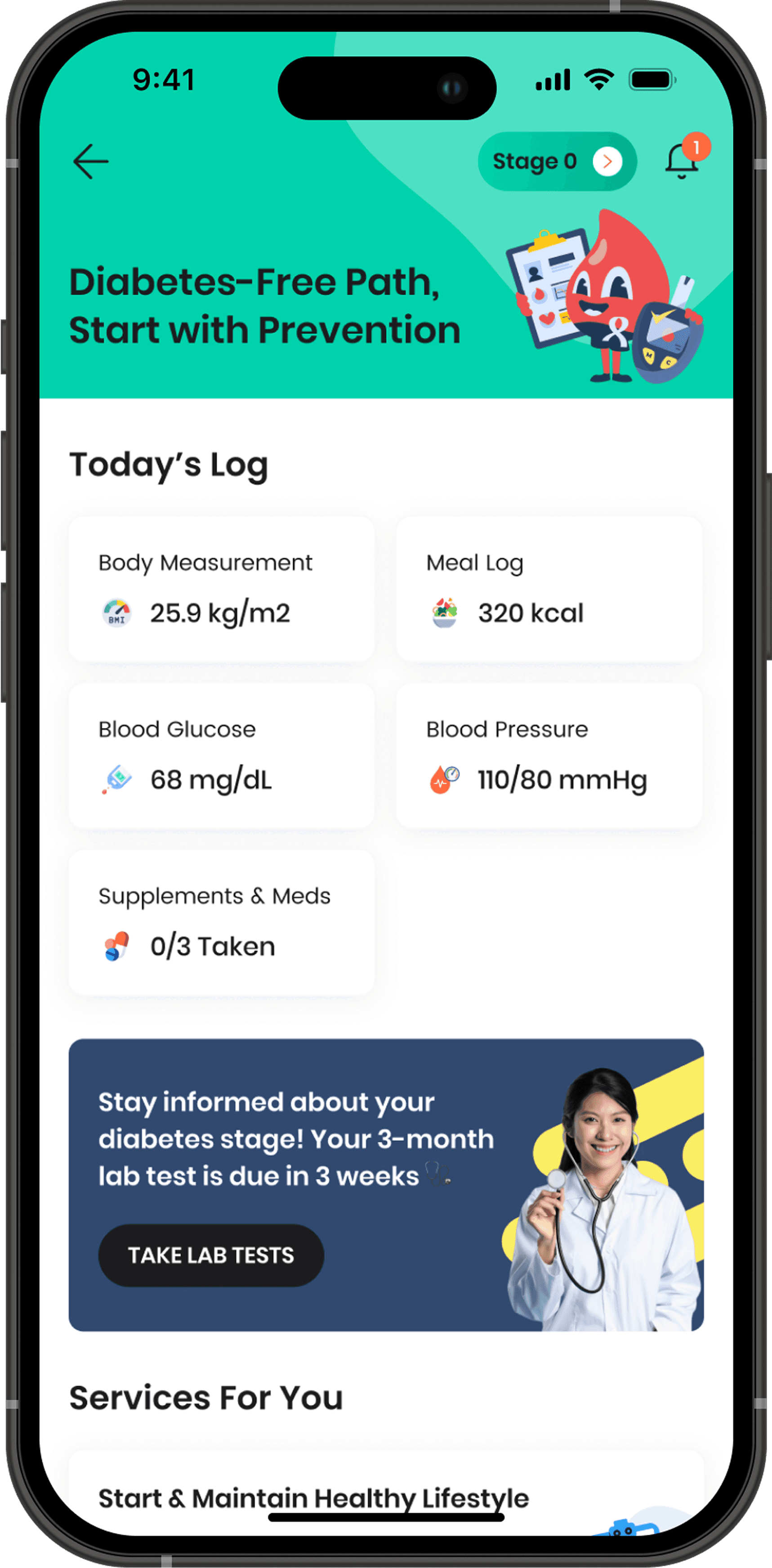
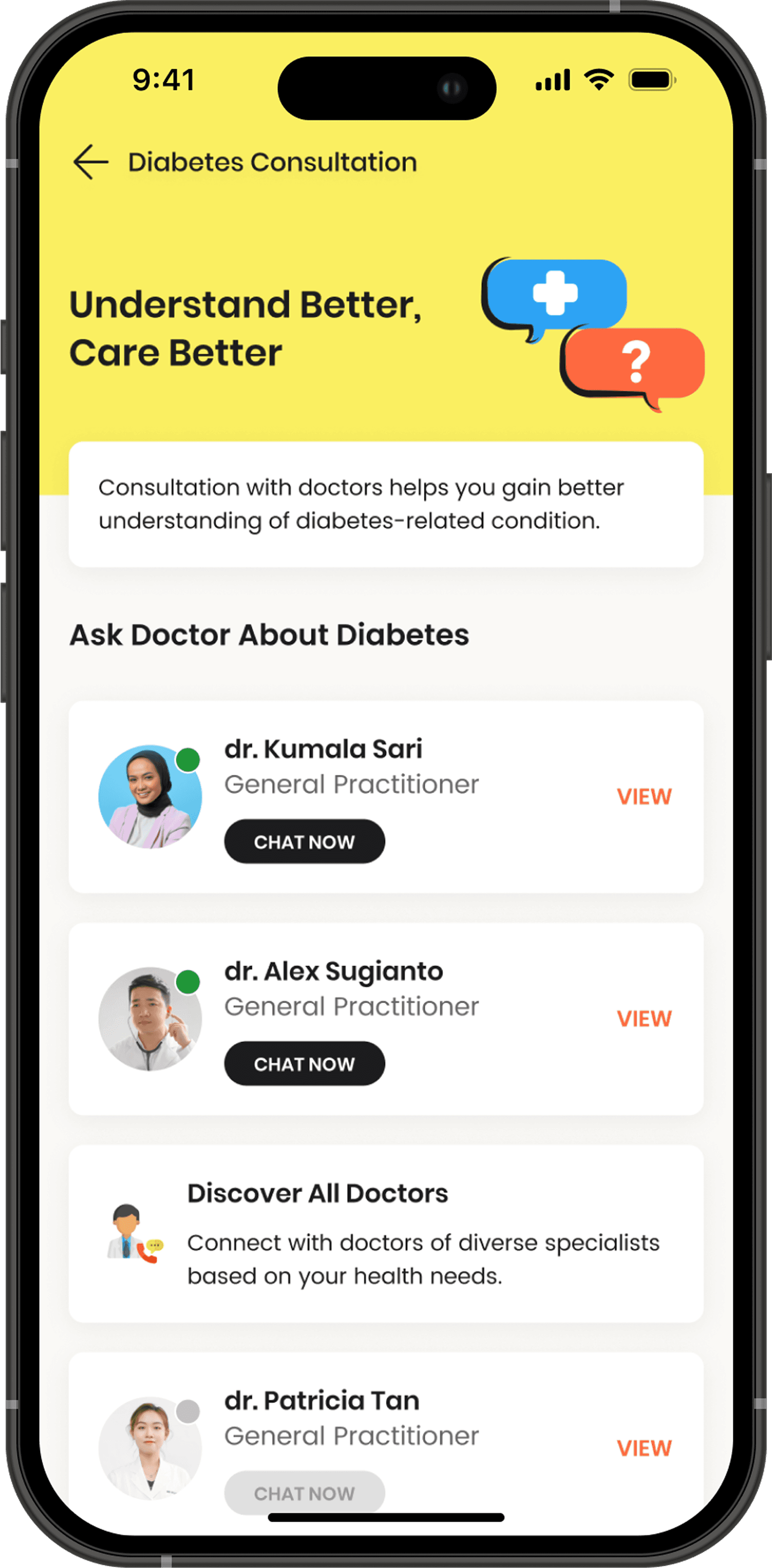
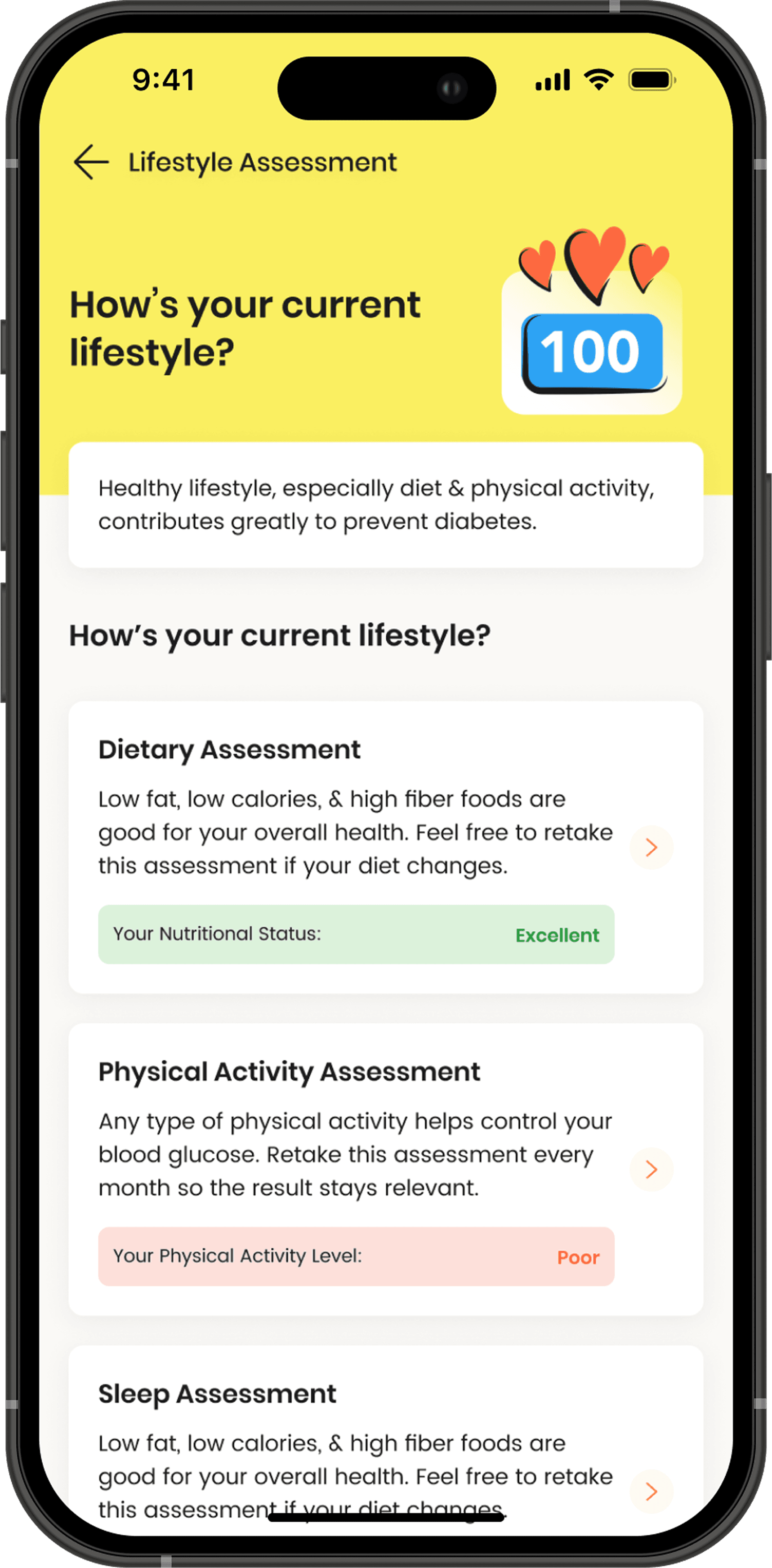
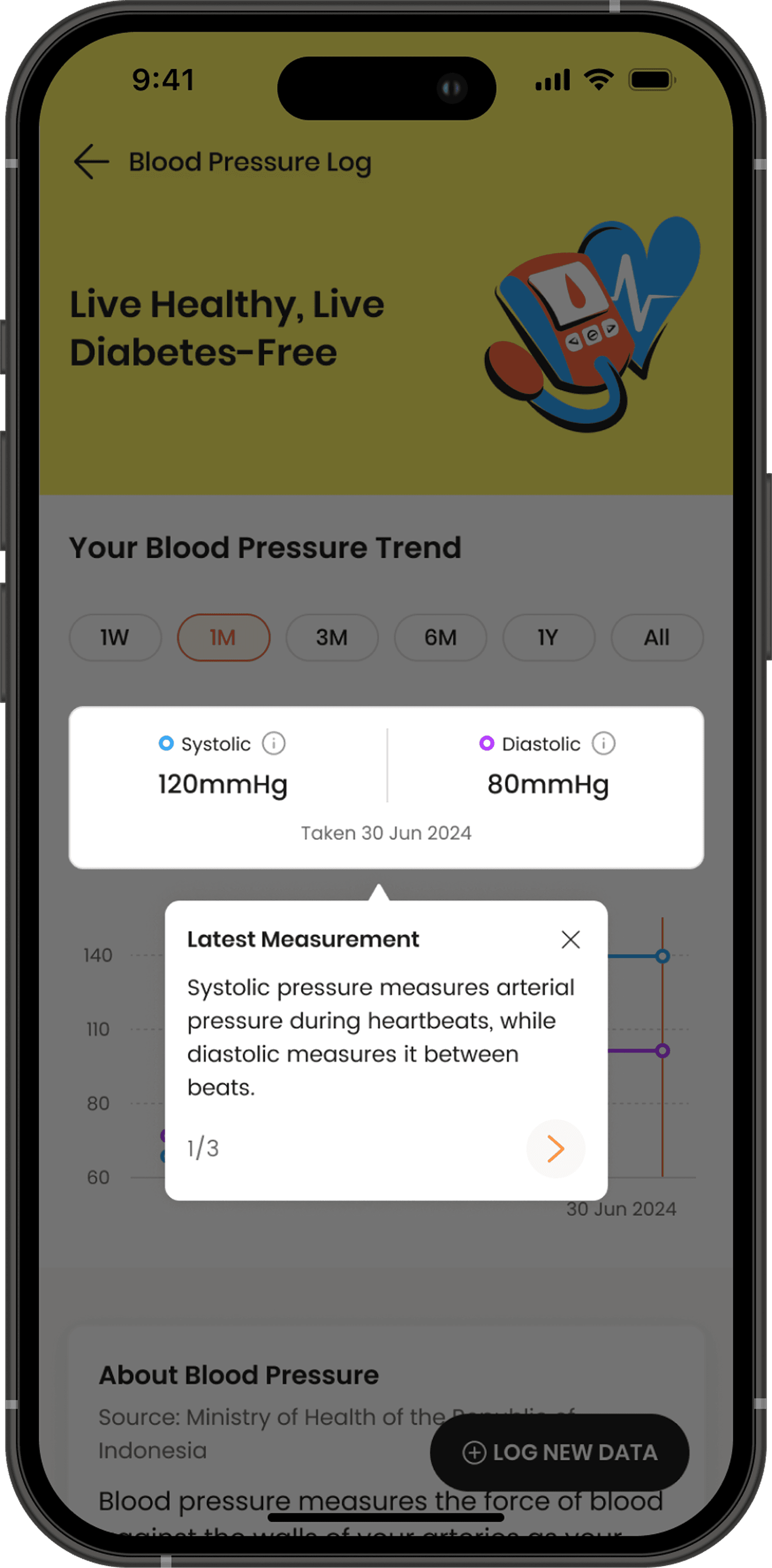
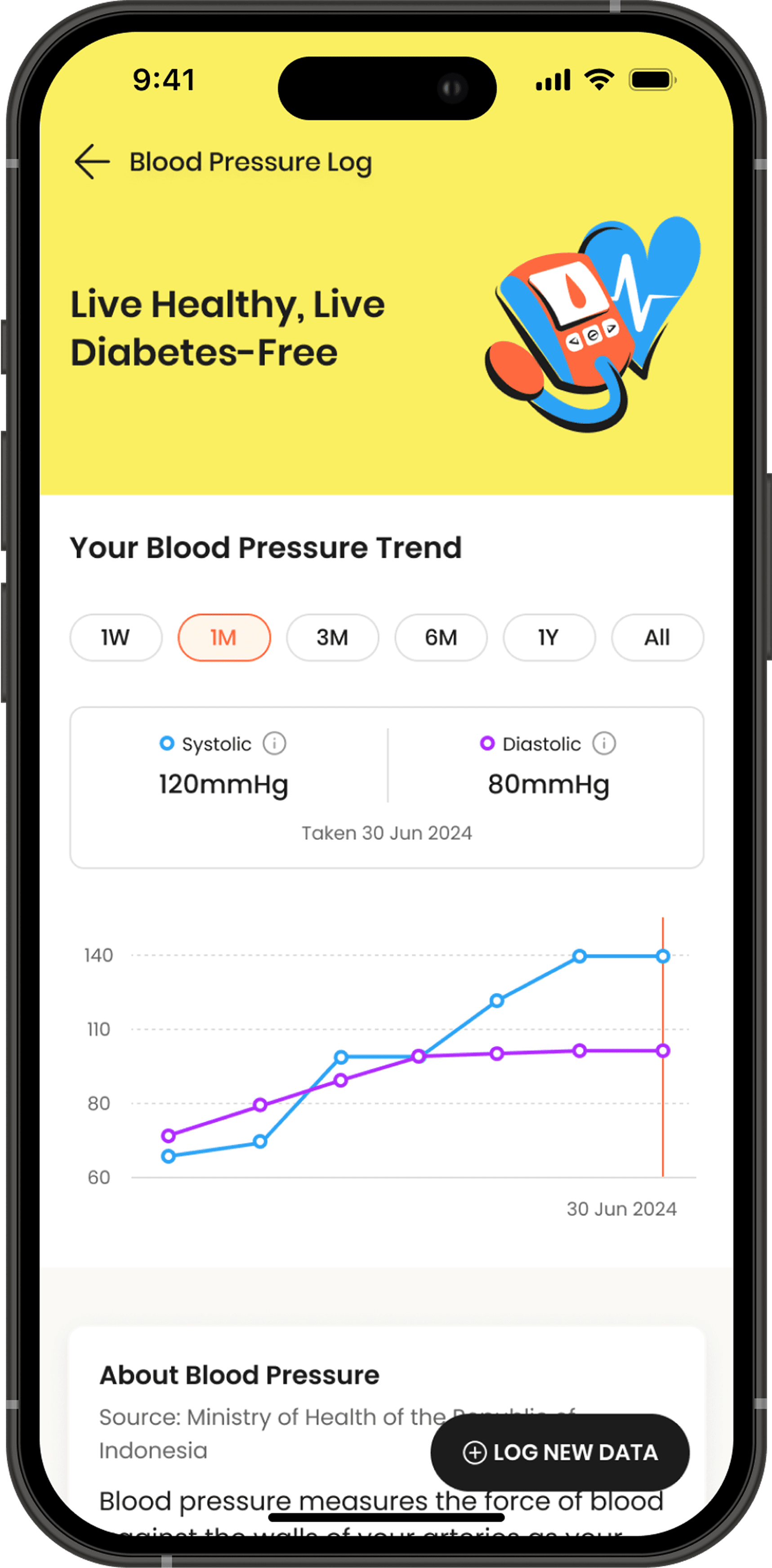
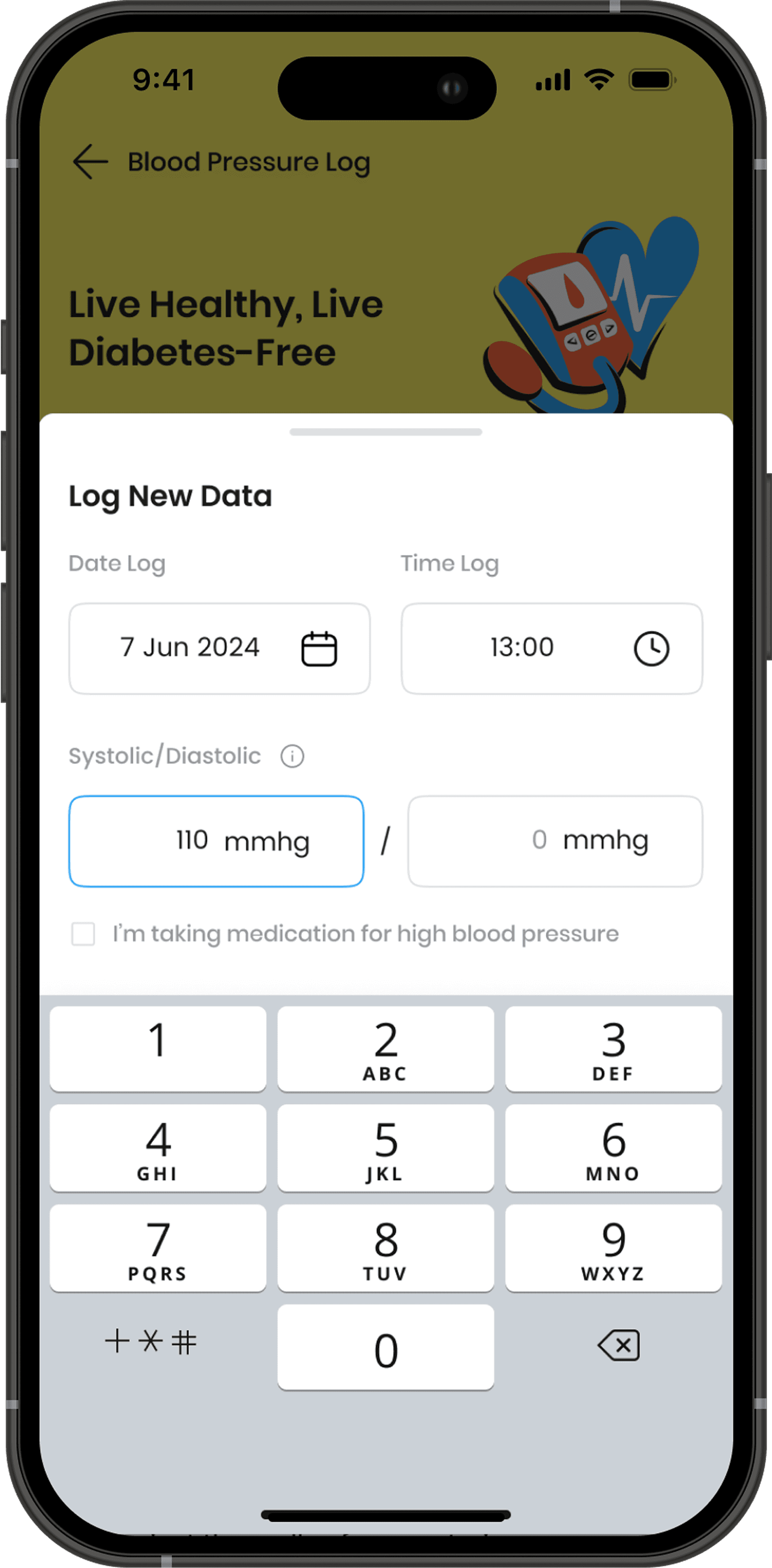
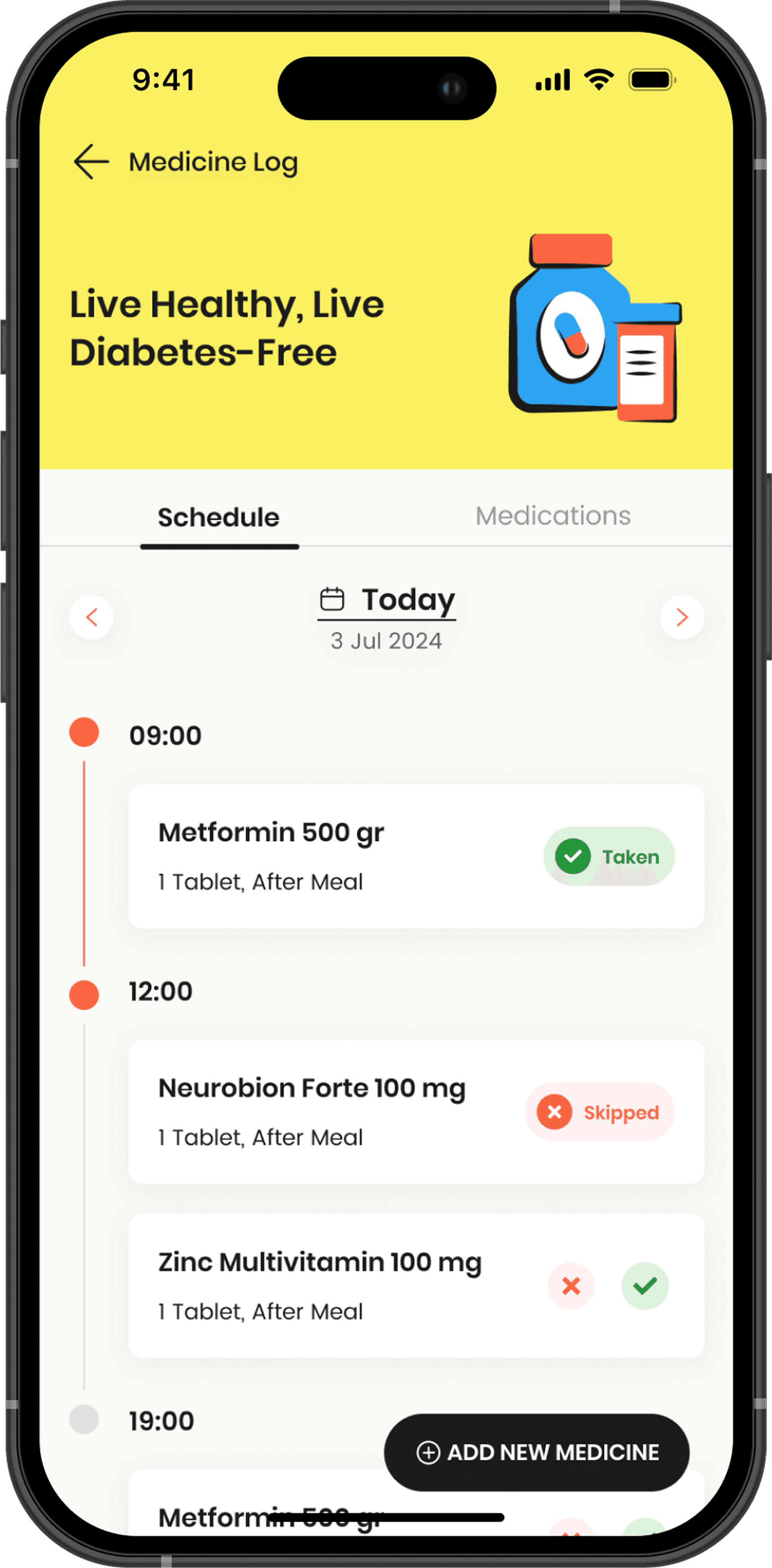
Ultimate 1 introduced three categories of tools that moved the feature from education to active management. Monitoring tools for key diabetes-related health metrics gave users visibility into their numbers over time. Daily routine and habit management tools — medication reminders, lifestyle tracking, activity logging — supported the consistency that long-term chronic care requires. Health data reporting tools allowed users to compile and share information with their healthcare providers, bridging the gap between self-management and clinical care.
The design maintained the same calm visual language as the MVP but introduced more structured, data-driven layouts suited to ongoing use rather than one-time reading. Clarity remained the priority — a user checking their glucose trend at 6am should not need to think about how to read the screen.
Outcomes
CDM was still in early rollout when I left Aleph in October 2024, so direct outcome data from the feature itself is not available to report here. What can be said is that the MVP successfully validated user interest sufficiently to justify the full Ultimate 1 investment — which was the precise goal it was designed to achieve.
In Q2 2025, Prodia announced plans to expand the Health Plan and Chronic Disease Management features as a key growth initiative for U by Prodia, indicating the feature has continued to develop after my tenure and remains a strategic priority for the platform.
The user quote gathered during the engagement captures what the design was reaching for: "You don't always need a diagnosis to start taking better care of yourself. This made me want to act before it's too late." That response — from someone in the awareness stage, not yet diagnosed — was exactly the signal the MVP was designed to generate.
What This Project Taught Me
Chronic disease management pushed me to think about design in a longer timeframe than most product work demands. A feature like this is not measured in sessions or click-through rates. It is measured in whether someone takes their medication consistently, whether they notice a trend before it becomes a crisis, whether they feel supported enough to keep showing up.
That timeframe changes what good design looks like. Clarity matters more than engagement. Calm matters more than delight. A screen that a user can read quickly and trust completely is worth more than one that is visually impressive but requires interpretation.
The MVP decision was also a formative one. Starting with education before infrastructure was the right call not just for the business, but for the users. Reaching people in the awareness stage — before diagnosis, when habits are still malleable — is where digital health tools have the most leverage. The MVP was designed to find those people and give them a reason to pay attention to their health before they had to.
Choosing diabetes as the anchor condition was a product strategy decision as much as a design one. With diabetes prevalence in Indonesia projected to reach 16.09% by 2045 and deaths from diabetes-related complications expected to roughly double in the same period, designing a system that starts with diabetes and scales to adjacent conditions is not just commercially sensible — it is genuinely consequential work.